World Gifted
Official Newsletter of the World Council for Gifted and Talented Children
Volume 44
Number 2
The World Gifted newsletter is the bulletin of the World Council for Gifted and Talented Children. It contains the latest news and information concerning the organization, its membership, and the international gifted education community.
Message from the WCGTC President, Anies Al-Hroub
Dear WCGTC Members,
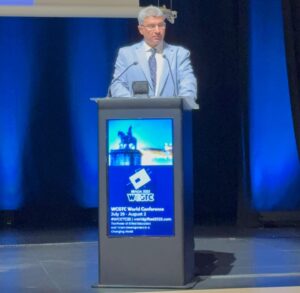
This marks the first newsletter of my term as President and the first since the WCGTC 2025 Conference in Braga, Portugal. I am deeply honored to begin my presidency for the 2025–2029 period and grateful for the trust placed in me by our global gifted education community. I am also pleased to share that the WCGTC has renewed its agreement with Western Kentucky University to host our headquarters for another five years, effective January 1, 2026. This renewal is essential to our institutional stability and provides a strong foundation for the development and implementation of the Strategic Plan. In this message, I share the text of my presidential inauguration speech, delivered in Braga on August 2, 2025.
WCGTC2025 Presidential Inauguration Speech
Dear Colleagues, Members, Delegates, and Executive Committee Members,
It is with deep humility and a profound sense of responsibility that I address you today as the newly elected President of the World Council for Gifted and Talented Children for the 2025 to 2026 term. I am truly grateful and honored by your trust and support. I want to extend my heartfelt appreciation to our outgoing colleagues for their outstanding service. In particular, I thank Dr. Denise Fleith, who served as President of the WCGTC from 2021 to 2025; Dr. Tracy Riley, who served several years as Vice President; and Dr. Bronwyn MacFarlane, who contributed her expertise as Executive Committee Secretary. Their leadership, wisdom, and dedication have shaped the WCGTC in meaningful and lasting ways. Over the past six years, I have had the privilege of working with a remarkable group of Executive Committee members from Australia, Slovenia, the Netherlands, Brazil, and the United States. Each brought unique insights grounded in their cultural and national contexts. Today, I am proud to announce and welcome the newly elected Executive Committee of the WCGTC, who will serve from 2025 onward. These remarkable individuals represent diverse regions, perspectives, and commitments: Dr. Susana Graciela Pérez-Barrera (Uruguay), Dr. Alexandra Vuyk (Paraguay), and Dr. Jyoti Sharma (India), along with the continuing EC members: Dr. Margaret Sutherland (Scotland), Dr. Eleonoor van Gerven (the Netherlands), and Dr. Mojca Juriševič (Slovenia), with the support of our Executive Administrator, Dr. Tyler Clark (USA).
My Story. While I officially represent Lebanon, my journey reflects a broader reality. I was born and raised in Jordan and educated as a Palestinian refugee in UNRWA schools, before pursuing higher education in Jordan and the United Kingdom. I have since lived and worked across multiple contexts, including the UAE, Lebanon, Turkey, the United States, and the UK. These lived experiences have shaped my understanding of education, inequity, and global collaboration. They have taught me that giftedness exists in every corner of the world, but opportunity does not. And that is what we are called to change. Also, these experiences make it difficult to define myself by a single region. I carry with me the perspectives of the Eastern Mediterranean, the Arab world, the Global South, and the Global North. Above all, I bring a deep and enduring commitment to humanity as a whole.
My Vision. As President of the WCGTC, I aim to foster an inclusive, collaborative, and innovative global community in gifted education. This includes addressing systemic inequities, empowering junior scholars, strengthening partnerships, and enhancing the WCGTC’s worldwide visibility and impact. To achieve this, I will focus on four key priorities:
Regional Representation. Over 98% of our members come from high- and upper-middle-income countries, while only five represent the 82 low- and lower-middle-income countries. I will work to reduce financial and structural barriers and ensure equitable participation by scholars across the Global South.
Supporting Junior Scholars. I will work with the Executive Committee to provide mentorship, grants, and leadership pathways for early-career researchers whose ideas and voices are vital to the field’s future.
Fostering Collaboration. We will establish Special Interest Groups focused on critical areas, including twice-exceptionality, displaced learners, artificial intelligence, and creativity. These groups will lead webinars and mini-conferences that build global connections.
Strengthening the GTI Journal. With the editors and EC members, I will work to increase Gifted and Talented International’s impact, aiming for a Q1 or Q2 ranking, and to expand the international editorial board to include underrepresented countries and voices.
We will develop a strategic plan that reflects this organization’s ambitions, and several members will be contacted to serve as advisors or external members.
Beyond the Strategic Plan. Our work is not just about structures, rankings, or strategies. It is about people, especially the young minds who live at the margins of recognition. The Portuguese poet António Nobre once wrote, “Eu nasci com o talento de sofrer” (“I was born with the talent to suffer”), capturing the sorrow that can accompany rare sensitivity and insight. Centuries earlier, the great Arab poet Abu al-ʿAlaʾ al-Maʿarri expressed a similar burden: “وإني، وإن كنت الأخير زمانه، لآتٍ بما لم تستطعْه الأوائلُ“
“Though I am the last of my time, I bring what the ancients could not.”
And the Slovenian poet Srečko Kosovel, one of Central Europe’s major modernist poets, wrote: “Moja duša je razbolena, kot bi jo bičal veter samotnosti.” (“My soul is aching, as if whipped by the wind of loneliness”).
Across these verses, across centuries and continents, giftedness emerges not only as potential but as vulnerability. A sense of being different. Of carrying a light that can also burn. These are the children and youth we are called to serve; those whose minds race ahead, whose hearts feel deeply, and who ask questions too big for the world around them. Whether born into privilege or into war zones, whether in well-resourced schools or under canvas tents, they are all our concern.
Let us create a world where giftedness is not a privilege of geography but a shared commitment to justice, inclusion, and opportunity. Together, let us write the next chapter for the WCGTC; a chapter written in many languages and voices, with one vision: a world where every gifted child can thrive.
Ladies and gentlemen,
With appreciation for the shared ideas, voices, and energies that have filled this conference, from every presentation, panel, and keynote to every quiet hallway conversation, I now formally declare the WCGTC 2025 Conference closed. Let us leave here not with endings but with new beginnings in Slovenia in 2027.

Prof. Anies Al-Hroub
WCGTC, President
Headquarters Update
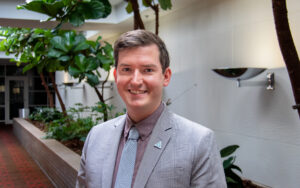
Thank you for all of your support of the World Council for Gifted and Talented Children! You – the members, Delegates, conference attendees, webinar participants, and supporters – are the WCGTC. This year has been quite a busy year at Headquarters, and you can read about some of the work in this newsletter.
We are trying a different format for the newsletter, moving away from a PDF version to a web version. We hope this will make the newsletter more interactive, user-friendly, and accessible. Please share your feedback with us so we can continue to improve our newsletter.
The agreement between the WCGTC and Western Kentucky University was recently renewed. This contract renewal helps ensure stability of the WCGTC with Headquarters remaining at WKU through December 31, 2030. Read the official press release here.
We recently sent a member survey to folks to provide their perspective about the strengths and areas of improvement for the WCGTC. These survey responses will inform our work as we develop a strategic plan for the WCGTC through 2029. You will receive two reminders in January about the survey if you have not already completed it. Please note that the link is specific to members, so please do not share it with others.
Best Wishes,

Tyler Clark
Editor of World Gifted
Executive Administrator of the World Council for Gifted and Talented Children
Did you know...
The WCGTC website includes several pages collating information about what is happening around the world in gifted education and talent development.
- Gifted Education Degree Programs Listing | Check our our Graduate Student Resources Page, too!
- Dissertations and Theses
- Calendar of Events
- Job Board
- National Gifted Education Information
- Gifted Support Links
We are always looking to enhance our website to include more resources for our members. If you have an idea of what we might consider, contact us at headquarters@world-gifted.org.
Reflecting on the 2025 WCGTC World Conference in Braga
The 26th Biennial WCGTC World Conference was held in Braga, Portugal from July 29 – August 2, 2025. This was the first conference held in-person since before the pandemic. Approximately 450 participants from 57 countries (Algeria, Argentina, Armenia, Australia, Austria, Bahrain, Belgium, Brazil, Canada, Chile, China, Czech Republic, Denmark, Egypt, Estonia, Finland, France, Germany, Ghana, Greece, Hong Kong SAR, India, Ireland, Israel, Italy, Japan, Jordan, Kazakhstan, South Korea, Kosovo, Lebanon, Malaysia, Mexico, Netherlands, New Zealand, Norway, Paraguay, Peru, Philippines, Poland, Portugal, Qatar, Romania, Russia, Saudi Arabia, Singapore, Slovenia, South Africa, Spain, Sweden, Switzerland, Taiwan, Turkey, United Arab Emirates, United Kingdom, United States of America, and Uruguay).
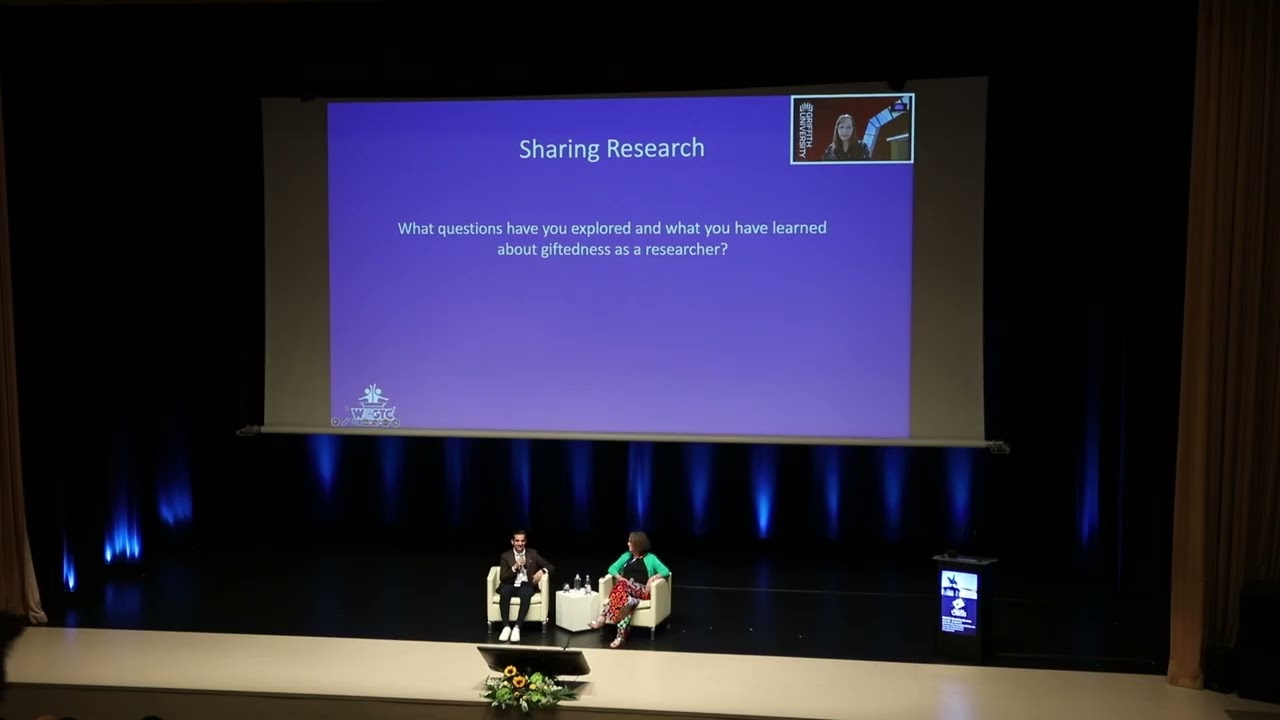
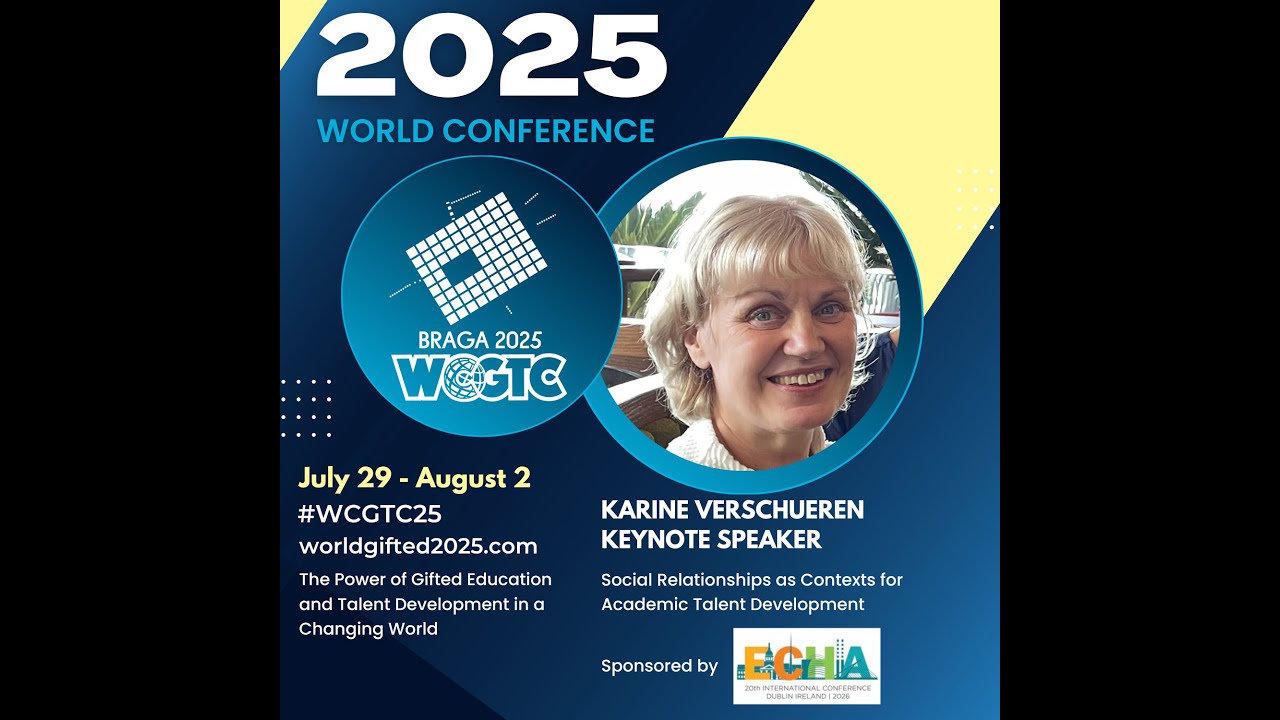
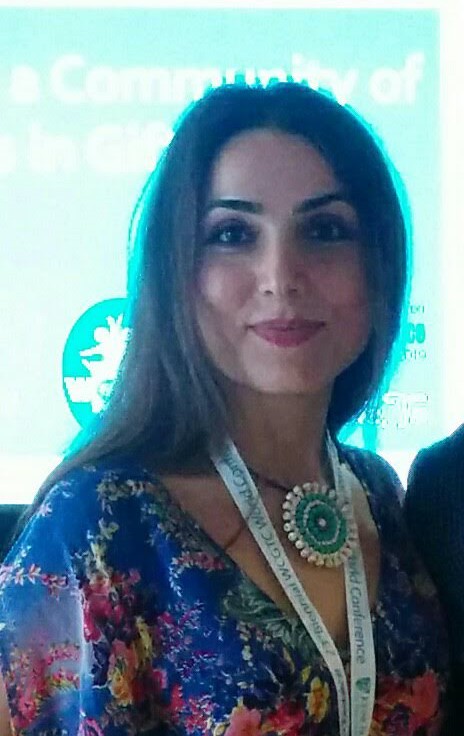
Some of the photos are included in this newsletter. You may see all the photos by clicking here. You may also view the keynote recordings in the playlist below.
#WCGTC25 Playlist
1:18:52
1:00:31
1:00:57
1:08:10
1:01:01
58:24
From the 2025 World Conference Scholarship Recipients
... As a researcher working in a developing country, I have often found that progress in specialized fields can only be achieved by committed individuals with the generous support of international partners. WCGTC has played a vital role in enabling me to pursue this path.
The 2025 World Conference in Braga was truly remarkable. The program covered every aspect of giftedness and talent development—from cutting-edge research to practical methodologies and real-world applications. The conference addressed global challenges in a changing world and offered wise, evidence-based approaches to meeting them. I was especially impressed by the advances in diagnostic tools presented by several countries, including the development of new valid IQ tests and culturally relevant assessment materials designed specifically for gifted children.
What inspired me most was the realization that the issues we face in my country are not unique; many other nations are grappling with similar challenges. This shared understanding reassured me that we are moving forward and progressing alongside many countries. The conference also provided an invaluable opportunity to connect with colleagues worldwide, exchange experiences, and discuss innovative solutions. These new collaborations will allow us to enrich our practices and develop best approaches together.
... Participating in the 26th WCGTC World Conference was, by far, the most enriching academic experience I have had in recent years. It allowed me to share research findings, discuss future projects, learn from diverse perspectives on serving gifted and talented students, and engage with scholars from around the world. This experience broadened my perspective in ways that are difficult to put into words. The conference offered a glimpse into the global state of the art in gifted education and opened doors for future collaborations with international colleagues.
Attending this conference has left me both prepared and excited to take the following steps in my academic journey. I am already looking forward to the next World Conference in Slovenia!

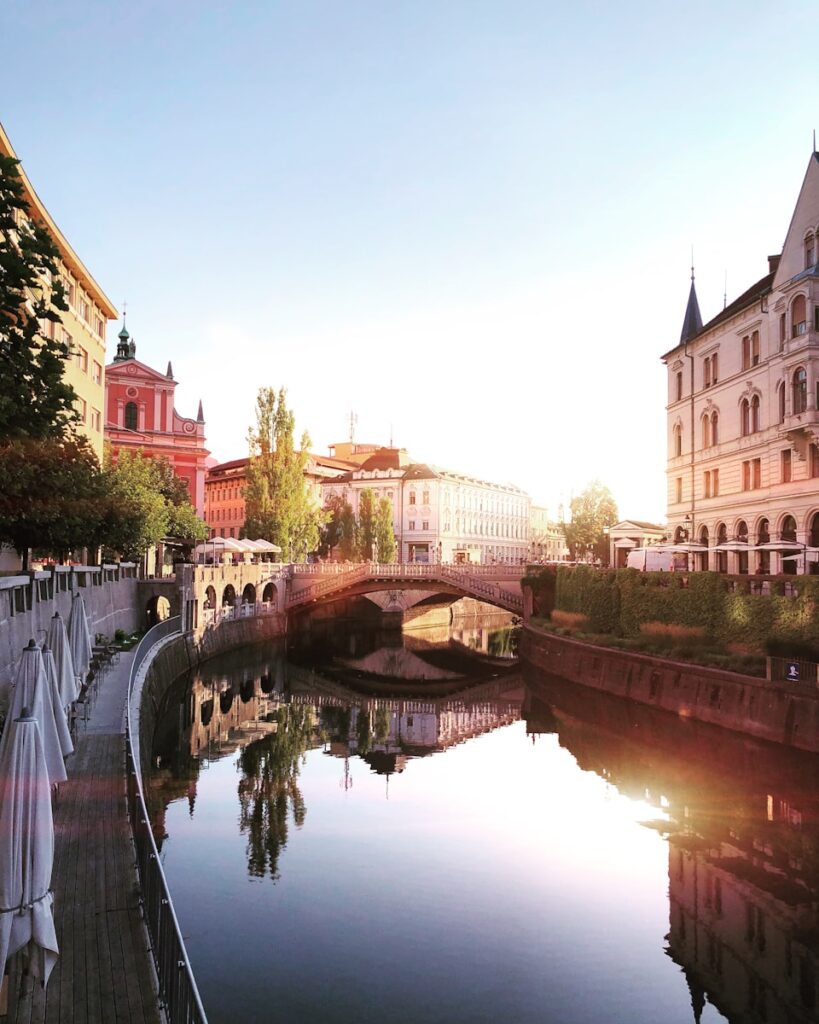
Join us in Ljubljana, Slovenia for the 27th World Conference!
The upcoming World Conference will be held from August 23 – 27, 2027, in Ljubljana, Slovenia! The theme will be Talented Futures: Bridging Creativity, Excellence, and Global Possibilities.
Stay tuned for more information about registration and proposal submission information (coming mid/late-2026). In the meantime, check out the letter below from the conference chair and the video of highlights from Ljubljana!
Dear Colleagues,
We are delighted to invite you to join us in Ljubljana, Slovenia, for the 2027 World Council for Gifted and Talented Children World Conference. Our goal is to foster meaningful discussions and share transformative ideas that will empower future generations to nurture creativity and excellence in gifted and talented individuals.
Your expertise and insights would greatly enhance our collaborative efforts to envision and shape a more innovative and inclusive future.
We look forward to welcoming you to Ljubljana!
Mojca Juriševič
Local Conference Committee Chair
Gifted and Talented International
Our GTI team has been hard at work reviewing articles for publication. Our current issue includes five articles that are listed below. A huge thank you to the co-editors for this issue: Kadir Bahar (USA), Sheyla Blumen (Peru), and Alex Vuyk (Paraguay)! We also would like to thank our fantastic Associate Editors: Maria Paz Gomez-Arizaga (Chile), Barbara A. Kerr (USA), Mihyeon Kim (USA), Urska Zerak (USA), Şule Güçyeter (Türkiye), and Fahad Alfaiz (Saudi Arabia). Of course, we would not be able to do the work without the support of our International Review Board and other ad hoc reviewers. Thank you for your donating your valuable time to reviewing articles to help us ensure high quality research from around the world is included in GTI.
We expect to have the next issue ready soon after the new year. This issue will be co-edited by Kadir Bahar and Alex Vuyk. We also have a special issue in preparation about Gifted and Displaced: Examining Giftedness in the Contexts of Migration and Forced Displacement that is being co-edited by Anies Al-Hroub and Albert Ziegler.

Did you know...
WCGTC members receive complimentary access to not only GTI but also Roeper Review and Creativity Research Journal! Click the buttons below to access the archives with your membership.
Stories of inspiration and agency: Messages from culturally diverse, gifted young adults living in low SES circumstances to the next generation
Katrina E. Reynen-Woodward, Penny Roun, and Pearl Subban
This qualitative study broadly aims to develop an understanding of the enablers and barriers to successful education pathways for multi-culturally diverse, gifted students living in economically vulnerable circumstances. The study administered an online questionnaire to fifty young, gifted adults currently enrolled at university or post graduate; followed by semi-structured interviews with eleven of the young adults; and finally a focus group discussion with seven of the participants. The study is a retrospective analysis of their school experience as young adults. Their perspectives provided valuable insight into the hidden rules of their home and school situations which made their experience as gifted students challenging, as well as the internal and external factors that enabled them to achieve education success. A reimagined collaborative ethnography approach yielded unique insights into their intrapersonal capacities that acted as protective factors within environments that were more or less supportive of their education. An inductive and exploratory approach to analyzing the data demonstrated the critical role of the teacher in understanding, recognizing and supporting culturally diverse gifted students; the criticality and nature of intrapersonal skills, notably motivation and volition; the impact of heterogenous cultural backgrounds; and the power of peer relationships with others who truly understood their experience of living at the intersection of giftedness, cultural diversity and low SES. Critically, the culturally nuanced notions of giftedness described by participants challenged textbook conceptions of giftedness. This study adds to the scarce but growing body of research into culturally contextual conceptions of multiple presentations of giftedness by exploring how this group of successful learners relates to the label “gifted” and internalizes the hidden rules of education in schools in low SES locales and beyond.
Gifted and non-gifted students’ differences on textually explicit, textually implicit, and script-based L2 reading items
Kamal Heidari
This study investigated the differences in reading comprehension performance between gifted and non-gifted Iranian students across three types of reading items: textually explicit, textually implicit, and script-based. Utilizing a convenience sampling method, 146 intermediate-level students (82 in Phase 1 and 64 in Phase 2) participated in the study. Giftedness was determined by academic performance and entrance exams. Participants completed three reading tests, each focusing on a different comprehension level, with a seven-day interval between sessions to minimize practice effects. Data were analyzed using MANOVA, revealing significant differences between gifted and non-gifted students across all item types, with gifted students consistently outperforming their non-gifted peers. The largest performance gap was observed in script-based items, followed by textually implicit and explicit items. The findings highlight the role of higher cognitive abilities, critical thinking, and strategy use in reading comprehension, suggesting the need for differentiated instructional approaches to cater to the unique needs of gifted learners in second language education.
Positive Discoveries: Identity Development and the Experiences of Gifted LGBTQ+ Students in Ireland
Orla Dunne, Colm O'Reilly, and Joe O'Hara
This article outlines findings from a mixed methods study, which aims to address this lacuna in the field of gifted education research, by providing insight into the experiences of gifted LGBTQ+ (lesbian, gay, bisexual, transgender, queer) young people, in Ireland. Participants were asked the same set of questions regarding two sites; post-primary school and a gifted summer program. Over three methods of data collection (anonymous questionnaire, focus groups and interviews) the experiences of gifted LGBTQ+ adolescents (N = 120) were explored. The mean age of participants was 18.4. Using thematic analysis of the qualitative data, four superordinate themes were identified, all of which related to identity development for gifted LGBTQ+ adolescents. The study’s key finding across both the quantitative and qualitative data was that peers and staff at a gifted enrichment program had a more positive effect on identity development than their school-based equivalent. This study was guided by the transformative paradigm, which places central importance on the lives and experiences of marginalized communities, uses transformative theory to develop the inquiry approach and links results of social inquiry to action. As the first set of data on the experiences of gifted LGBTQ+ students in Ireland and one of the first of its kind outside the United States, it is hoped that findings from this research will benefit all educators working with this student population while expanding both the field of gifted education research and research on the experiences of LGBTQ+ adolescents.
An interview with C. June Maker
Michael F. Shaughnessy and C. June Maker
In this interview, questions were asked about various aspects of education for gifted and talented students, with a focus on Maker’s life, reasons for being in the field, research, and ideas about paradigm shifts needed for the 21st Century context. She grew up on a farm in rural Kentucky with a father who was creative and a mother who was a teacher who loved words. Her own joy of creating was a strong influence on her desire to enable more people, especially students, to experience the joy of creating! Other areas of research included developing assessments of creative problem solving in different talent areas, leading to her current emphasis on the need for changing our thinking about how we serve gifted and talented students. Another important area of research has been on a teaching approach called Real Engagement in Active Problem Solving (REAPS) based on the talent development principles in her first books on curricula for gifted students. Working with teams of educators around the world, she has found the model to be effective with students of all ability levels and a practical way to develop the 21st Century skills of creativity, critical thinking, collaboration, and communication. It also has been effective in development of the rich, diverse knowledge structures needed for creativity. Finally, she reflects on the differences in passive versus active, creative thinking during the aging process.
Hidden rules, barriers and enablers in education experienced by culturally diverse, gifted students from Low SES environments: Valuable perspectives from successful young adults
Katrina Reynen-Woodward, Penny Round, and Pearl Subban
Fifty-two gifted, culturally diverse young adults from low socio-economic status (SES) backgrounds reflected on factors that had hindered or helped them in their educational pathways through secondary school into university and professional careers. Participant voices revealed complexity and divergence in their school and home environments in terms of barriers and enablers to their education outcomes. They reflected on hidden rules, that is, what they wished they had known about navigating their educational and career future; what they wished their teachers had known about their capability and context; and advice they would give the next generation of gifted students from similar circumstances.
Who are the WCGTC Delegates?
In each issue of the World Gifted newsletter, we include reports from Delegates across the world to learn what is happening locally in gifted education. You may find a list of current Delegates and Alternates here. We aim to have representation from around the world. If you see that your country is not represented and you are a WCGTC member, please reach out to headquarters@world-gifted.org to learn more about becoming a WCGTC Delegate.
Delegates Discourse

Algeria
Naima Benyakoub (psy.univb2dz@gmail.com
From early 2024 to mid-2025, Algeria witnessed a remarkable scientific and technological dynamic that reflected a rising national momentum in higher education, innovation, artificial intelligence, cybersecurity, smart agriculture, and academic research. This period was characterized by the active participation of Algerian students, researchers, and professionals in national and international events, as well as the organization of scientific gatherings within the country.
In April 2025, Algerian university students distinguished themselves in robotics and programming when the team from the Faculty of Science and Technology at the University of Biskra won first place nationally in the 2025 National Robotics Programming Competition. Their winning projects included an electronic hand and a smart vehicle designed within the V-Tech Scientific Club. On May 18, 2025, the national team participating in the “Codafor 6” World Robotics and AI Competition in Doha secured second place globally among more than seventy countries, a performance that was honored by an official reception led by the Minister of Youth.
At the global level, Algerian university students delivered an exceptional performance during the Huawei ICT Global Finals, held in Shenzhen, China, from May 20 to 24, 2025, with more than 200,000 participants from 114 countries. Algerian teams achieved unprecedented results: first place worldwide in the Computing category, first place in the Network category, and a major award in the Cloud category. Moreover, Algeria took part for the first time in the Innovation track, where the national team won third prize globally.
Simultaneously, academic excellence was marked by the recognition of Dr. Abla Ahmed Abdelraouf from the University of Boumerdes, who was awarded the title of “Most Valuable Instructor – North Africa” on May 8, 2025. Furthermore, the national edition of the Huawei Seeds for the Future Program concluded on March 17, 2025, with the recognition of fifty outstanding students and the remarkable appointment of Romissa Sebihi as a Global Ambassador for the 2025 edition.
In the field of academic research, Algerian scholars continued to publish in reputable international journals. Notably, on May 14, 2025, a scientific article proposing an innovative approach to simplifying the understanding of heat exchangers for engineering students was published in the South Florida Journal of Development. Doctoral candidates also excelled: Dr. Akradj Jihan won first place in the Algerian-Tunisian Scientific Competition (5+5) on May 30, 2025, while Dr. Nawal Ghallab received a national medal of literary innovation at the University of Oum El Bouaghi on November 26, 2024.
Algeria also strengthened its presence in the global field of gifted education. Professor Naima Benyacoub, President of the Algerian Association for Gifted and High-Achieving Individuals and Algeria’s Delegate in the World Council for Gifted and Talented Children (WCGTC), participated in the 26th World Conference organized by the council in Portugal in July 2024. She also took part in the 11th International Conference on Rare Competencies in Developing Countries, held by the URDRH research unit at the University of Sétif 2 on November 17–18, 2025.
The achievements of the Algerian scientific diaspora also stood out. Professor Karim Zaghib, one of the world’s leading developers of lithium batteries used in smartphones and electric vehicles, was officially received by the President of the Republic on April 8, 2025. Similarly, Dr. Abdelrahmane Mekkoui earned second place worldwide at the SCMR 2024 International Conference in Washington for his research in cardiac MRI. Additional distinctions included contributions by Dr. Bahia Zoubir, who obtained second place regionally at the CAISEC 2025 Cybersecurity Conference in Cairo.
In the agricultural sector, the SIPSA 2025 International Agriculture Fair, which concluded on May 29, 2025, awarded innovative Algerian projects within the “Africa-SIPSA Prize for Agricultural Innovation,” including AirCrop for drone-based precision farming, Biolife for natural supplements, and FilahaTech for smart agriculture digital solutions. The region of Djelfa also won a national award for its “OLEOMED” olive oil.
Student excellence continued to emerge in national competitions. On April 15, 2025, Mohamed Amir Benmallouka, from the National School of Mathematics, was crowned national champion in the Algerian University Mathematics Olympiad held at the University of Sétif 1.
All these achievements culminated in the General Assembly held on October 25, 2025, dedicated to renewing the executive board of the Algerian Association for Gifted and High-Achieving Individuals.

Australia
Michelle Ronksley-Pavia (m.ronksley-pavia@griffith.edu.au), Victoria Poulos (victoria.poulos@cresteducation.vic.edu.au), James Adams (j.a.g.adams@hotmail.com), and Carmela May (carmela.may@det.nsw.edu.au)

National Overview
Gifted Awareness Week 2025, hosted by the Australian Association for the Education of the Gifted and Talented (AAEGT), ran from May 24 to June 1 with the theme ‘Policy to Practice.’ Across the week, events and discussions focused on turning gifted education policy into meaningful action in schools, highlighting identification, support, and the diverse learning requirements of gifted and twice-exceptional students. The national campaign also reinforced the role of evidence-informed practices and the need for consistent, system-wide approaches to recognising giftedness and nurturing talent development.
In October, Australian Mensa held their four-day national conference in Brisbane (Queensland), with the title ‘Mensa Swallows Universe,’ with parallel adult and under-18 programs for high schools and primary school aged children. The Saturday program featured keynote speakers discussing a wide range of topics from mathematical problem solving by the ancients (Dr Calvin Irons) to generative artificial intelligence for supporting neurodivergent individuals (Dr Michelle Ronksley-Pavia). The event brought together experts, families, and community members, providing opportunities for networking, sharing educational strategies, and highlighting current issues facing gifted and high-ability learners across Australia.
State and Territory Updates
Australian Capital Territory
The inaugural Canberra Gifted Awareness Week Symposium was held in May and was organised by Helen Baber. The program was designed for school leaders, policy makers, and educators, with the afternoon session having a parent focus. The speaker lineup featured Professor John Munro, Sarah J. Fleming, Melinda Gindy, Mandi Randell, and Estee Stephenson, speaking on a range of topics, including strategies for teachers and schools to support talent development and ways to support gifted students beyond school. The combination of practitioner and parent-focused sessions reflected growing recognition of the importance of coordinated school–home partnerships for gifted education.
New South Wales
During 2025 the New South Wales (NSW) government established a dedicated team in the Department of Education to assist more than 2,220 public schools to implement the mandatory High Potential and Gifted Education policy. The aim is for these schools to strengthen implementation of the policy through a HPGE website, professional learning, resources and research. NSW public schools participated in a full day of mandatory professional learning with more than 50 options offered. Public schools are required to follow the NSW Education Minster’s directive to include information about high potential and gifted education opportunities on their school websites by January 1, 2026.
Queensland
In May, the Queensland Association for Gifted and Talented Children (QAGTC) held their state conference, ‘Empowering Excellence: Leading the Way for Gifted Students,’ with keynote speakers Professor John Munro, Dr Michelle Ronksley-Pavia, and Dr Janelle Wills.
The Queensland Department of Education’s gifted and talented education commitment outlines that state schools are expected to use a whole-school approach to differentiated teaching to support gifted, talented, high-ability and high-potential students, including curriculum extension, enrichment, and the option of an Individual Curriculum Plan (ICP) when additional-level challenge is required. ICPs are designed to enable teaching and assessment against achievement standards above a student’s enrolled year level while they remain with same-age peers, and in some cases, this may result in early entry into senior secondary studies. Additional options outlined in by the Department include value-added programs and selective-entry Queensland Academies, which deliver the IB program.
South Australia
South Australia was involved in the AAEGT Gifted Awareness Week 2025 by supporting the national conversation around this year’s theme ‘Policy to Practice.’ South Australia, like other jurisdictions, can also access national AAEGT recommendations to assist schools in implementing their own policy for day-to-day practice within classrooms. Engagement in these national initiatives highlight ongoing interest in aligning local approaches with broader national directions in gifted education.
Tasmania
The Tasmania Government updated departmental guidance and expanded community-based learning opportunities in early 2025, by providing information about different options for supporting the education of gifted children. The Department for Education, Children and Young People updated its “Support for Gifted and Highly Able Students” policy, while the Tasmanian Association for the Gifted (TAG) strengthened its role as the state’s professional learning hub. Through a series of well-attended events in September and October, TAG delivered learning opportunities for teachers and parents on underachievement and social-emotional development.
Victoria
In 2025 the Victorian Government strengthened its support for gifted and high-ability learners through the Department of Education and Training’s Supporting High-Ability Students policy, which requires every school funded under the ‘Student Excellence Program’ to appoint a High Ability Practice Leader (HAPL). The Victorian Association for Gifted and Talented Children (VAGTC) continued to offer regular educator and parent seminars ensuring ongoing professional and community engagement. The VAGTC also has a volunteer-led parent and educator support line which provides essential support and information.
Western Australia
Western Australia advanced gifted education in 2025 through strong association leadership and targeted professional development. While the Department of Education’s Gifted and Talented policy framework remains stable since 2018, activity across the sector has steadily grown. Gifted WA launched a new “Gifted Education Policy Framework” for schools during Gifted Awareness Week, for schools to adapt and use in their contexts. Alongside this, Gifted WA maintained its regular information sessions and enrichment programs.
Bahrain
Um Albaneen Y. Jamali (29jamali@gmail.com)
The Center for Gifted Student Care at the Ministry of Education concluded its academic year 2024/2025 with a series of remarkable achievements that reflected a commitment to the Ministry’s vision of supporting and caring for gifted students. The academic year was distinguished by the implementation of innovative initiatives aimed at developing talents and honing abilities in an educational environment that stimulates excellence and creativity.
The Center executed more than 19 specialized programs during this year, which varied between academic programs in diverse fields such as Science, Mathematics, Scientific Research, Artificial Intelligence, Innovation, Creative Writing, and others. These programs included a total of 235 activities, varying between awareness lectures, specialized workshops, and educational events.
In the context of encouraging competition and creativity, the Center organized seven diverse educational competitions, which included the “Ziayna Yal Bahrain” competition, the “Silver Sail” competitions in Art, and the “Future Scientists” competition for scientific and innovative environmental research (STEAM), in addition to the specialized “SUMO Robot” competition in the field of robot assembly and coding, which was implemented for the first time at the Center.
The Center also participated in more than 12 local and international events. The most prominent of these were the Prince Sultan bin Salman Award for Holy Quran Memorization for Children with Disabilities in the Kingdom of Saudi Arabia, the Future Science Challenge in the United Arab Emirates, the Regional Conference for the GLOBE program, and the Saffron Art Charity Award organized by the Royal Humanitarian Foundation.
The number of students who benefited from the Center’s programs reached 3,819 male and female students, in addition to more than 1,033 teachers and parents who benefited by participating in training workshops, lectures, and consultations. The Center provides its services and programs to both public and private schools, reflecting its commitment to reaching various educational groups in the Kingdom of Bahrain.
In regard to providing direct support for schools, the Center conducted 202 field visits to public and private schools with the aim of providing technical support to the committees for the care of gifted students and reviewing the distinguished practices and identifying gifted and talented students and developing their skills.
The Center’s students achieved commendable accomplishments this year at both the local and regional levels. The most prominent of these were achieving first and second place in the Prince Sultan bin Salman Award for Holy Quran Memorization for Children with Disabilities, in addition to third place in the Saffron Art Charity Award, as well as receiving the Arbitration Award in the Future Science Challenge in the UAE.
Furthermore, the Center received a number of local and international delegations visits during the year, including the visits from the official delegation from Boston University (USA), the Kuwait-Bahrain Teachers Delegation, the World Health Organization, and the Muharraq Governorate. These visits included introductory presentations on the Center’s services and programs, exhibitions of innovative and creative student projects, in addition to showcasing success stories of gifted students. The Center also organized introductory meetings about its services and programs directed at students, teachers, and parents, with the aim of introducing the programs offered and facilitating the provision of gifted students.
In 2025-2026 academic year, the Center is delighted to continue to embark on its journey of leading development of gifted and talented students that includes developing mechanisms for the discovery and identification of gifted students according to accurate international standards, updating specialized programs to keep pace with the aspirations of the Ministry of Education, and expanding the provision of programs in the English language, alongside enhancing the utilization of Artificial Intelligence as an educational tool and an independent specialized field.
The Center for Gifted Student Care reaffirms its belief that every gifted student is a national project, and every success story constitutes a step towards the future, as talent represents a fundamental pillar in nation-building. The achievements realized this year are the result of the concerted efforts between the Center, schools, parents, and local community institutions.

Brazil
Maria Lucia Sabatella (mlsbtll@gmail.com), Carina Rondini (carina.rondini@unesp.br), Cristiana Aspesi cristianaaspesi@gmail.com), and Vera Lucia Pereira veralppereira@gmail.com)

Over the past two years, several important lines of action have been observed in Brazil regarding the care and support of gifted individuals. The first line concerns meetings held by public and civil initiatives, linked to the Legislative and Executive branches, to raise awareness and reflect on the invisibility of giftedness and its impact on the development of Brazilian children and young people. These meetings generated a mobilization for the revision of legislation, public policies, and adopted actions. Another line concerns teacher training. Although the Ministry of Education has already adopted a multidimensional definition of giftedness, based on Renzulli’s Three-Ring Model, with a robust theoretical and methodological foundation based on evidence, Brazil still faces many challenges regarding myths and misinformation propagated by social media and continues to advance in actions to strengthen information and public policies. Therefore, teacher training is considered a high-impact action, along with the participation of the Brazilian Council for Giftedness – ConBraSD and other entities in the field with the National Congress to collaborate on the construction of the National Education Plan, a document supporting Brazilian Education for the next ten years (2025/2035), and active participation in the National Commission for Special Education from the Perspective of Inclusive Education of the Ministry of Education – CNEEPEI.
Some research groups stood out in generating knowledge and strengthening information. One of them aimed to describe the current situation of programs for gifted children in Brazil from the perspective of the Educational and Learning Capital Model (ELCM). The results indicated positive aspects of exogenous educational capital, reflected in legislation that guarantees rights at the federal, state, and municipal levels for gifted children and in special programs in universities for high school and higher education students. However, there are challenges related to endogenous educational capital, which disregards other aspects of physical health, in addition to academic skills. In this sense, large-scale training courses have been implemented in several Brazilian Federal and State universities in partnership with the Ministry of Education to broaden the perspective on educational services and practices in giftedness. One example is the specialization course in Special Education with an emphasis on High Abilities/Giftedness, offered by UNESP/CDeP3 in partnership with UAB/CAPES, between 2024 and 2025, in five centers in the State of São Paulo (Votuporanga, Jales, Cidade Tiradentes, Cantinho do Céu, and Barretos) and the partnership formed by the Ministry of Education/National Network Program for Continuing Teacher Training-RENAFOR and the Institute of Psychology of the University of Brasília. Since 2023 the course has offered annual training to basic education professionals, with a primary focus on inclusive education, designed for High Abilities or Giftedness.
The expectation is that, with the increase in the number of basic education professionals trained in the field of high abilities or giftedness, the number of students identified as HA/SD, registered in the Educational Census and served, preferably, in regular education, will grow proportionally. This expansion may contribute to Brazil overcoming the underreporting of students with HA/SD, since, in the last Educational Census, less than 50,000 students were registered in this category — a number astonishingly lower than the estimated minimum of 1 million. Even more alarming is the fact that, even among the students already identified, there are even more invisible groups: research and data have highlighted the impact of sociocultural aspects on these numbers, revealing the underrepresentation of girls, Black people, Indigenous people, riverside communities, higher education students, and those from the North and Northeast regions—the most invisible among the already “forgotten” students with giftedness/high abilities.
The challenges that Brazil needs to face to achieve truly inclusive education for gifted students are, therefore, numerous. Intellectual production on the subject, in the Brazilian context, ceased to be intimate some time ago, given the continuous growth of publications—articles, books, chapters, and the development of instruments for tracking behaviors related to giftedness/high abilities. However, such advances have not yet translated into significant impacts on census numbers. A concrete and inspiring experience is that of the State of Paraná in the Southern Region of Brazil, which, for less than a decade, has been developing a systematic work of identifying and effectively serving students in the state public school system. This action has boosted census figures and generated significant results, demonstrating that it is possible to implement a consistent, coordinated, and far-reaching process.

Canada
Hoda Kilani (hodakilani@shaw.ca), Rachel Lin (rachelrc.lin@ubc.ca), and Kenneth Reimer (ke.reimer@uwinnipeg.ca)
Support for gifted education across Canada’s provinces and territories continues to take different directions from renewed funds to dampened support. Canada is a huge country and the views within our various provinces and territories are a representation of what is happening in the gifted world across the globe.
Teachers in the province of Alberta were on strike for three weeks in October soon after the schools opened in September. Unfortunately, when a strike occurs so early in the school year, especially after only a few weeks of classes, gifted students can be uniquely affected. In Alberta’s system, gifted programming is supported by policy, curriculum expectations, and dedicated local-programs, but because gifted learners rely on early momentum, differentiated pacing, and peer group belonging, early-year interruptions such as a three-week strike can hit them harder than the average student. While every child’s experience is different, research and lived experiences suggest several likely impacts such as the pause of enrichment, acceleration, and specialized learning plans as well as students’ heightened stress or anxiety. Some gifted learners may show resilience and find enrichment on their own but this is not something we can depend on system-wide. The variability across jurisdictions further complicates the picture, increasing the risk of inequities. As teachers and students return to the classroom, the full impact of the strike on students’ learning and well-being has yet to be determined.
In British Columbia, there is some exciting new research coming from the University of British Columbia. The STAR (Strengths, Talents, Advanced learning needs, and Resources for enrichment) Lab is investigating how researchers can support gifted learners from multiple fronts. First, working with teachers across the Vancouver School Board, they aim to support teachers’ needs and build a resource bank for teachers to draw upon to support gifted learners. Facing a strong push for inclusive education, too often gifted learners end up slipping through the cracks as their needs are perceived as less pressing, especially when we do not provide teachers with the adequate amount of support. The Lab aims to expand this support to teachers across the province. Second, work is also being done to investigate parental challenges in advocating for their gifted children’s needs. Partnering with a provincial parental organization for gifted children, these needs and necessary supports are being investigated and developed. Not only can it be difficult to discover resources, it can also be difficult to access them. Parents are left feeling lost and on the sidelines of their own children’s education. The Lab aims to provide workshops for parents to empower them to support their own children. Finally, the STAR Lab is beginning its investigation into applying the principles of strengths-based education to support gifted children’s growth and development.
We are excited to propose two potential gifted “hubs” for Canada. We envision the first community as a shared space where students, families, and educators can come together to learn, explore, and grow. It will be a bit like a buffet of learning where everyone can take away something valuable. The tentative plan is to meet twice a year in a one-hour online meeting that includes discussions of research and insights, skill-building or practice, parental guidance along with some time for Q&A and collaborative invitations. With Canada’s bilingual population, accessibility is a priority and we are currently exploring live translation support or separate English/French sessions. If you are interested in joining this community, please contact Hoda Kilani for more information.
We envision the second community as a researcher hub that allow for researcher collaboration and increased provincial/territorial research transparency. We hope that building a network of researchers will aid our collective goal to bolster research-informed practices that can support gifted students. Researchers who are interested in cross-Canadian discussions about gifted education are also invited to contact Rachel Lin for more information on a possible SSHRC (Social Sciences and Humanities Research Council) Connections grant that will allow for collaboration and community.
If you’re interested in being part of this exciting journey or simply want to learn more, we’d love to have you join us. As always, reach out if you live in Canada and are not already on our email list! We would love to have you join us to increase awareness about the value of gifted education.

Czech Republic
Eva Vondráková (vondrakova@gmail.com)
In 2002, a translation of the book by Franz J. Mönks and Irene H. Ypenburg, “The Gifted Child” (Unser Kind ist hochbegabt), was published in the Czech Republic. I wrote an afterword to it, in which I stated: “In our country too, parents of gifted children seek advice and help from experts. Although we have a relatively extensive network of psychological services in education and healthcare, it happens that the problem remains, similarly to some of the cases described here, unrecognized or trivialized and not solved, or ‘solved’ incorrectly. The education and upbringing of gifted children is still missing from the training of our teachers and psychologists.” At that time – 24 years ago – I assumed that the situation would improve in the foreseeable future. There has been a slight improvement, but the above-mentioned problems still exist. The Association for Talent and Giftedness – STaN (originally ECHA Czechoslovakia), of which I am a co-author and chairperson, has been operating since the 1988/89 school year. It and Mensa Czechoslovakia were founded by psychologist Hana Drábková.
Our goal was to help gifted children develop their potential successfully, with joy and without the problems they often encountered at school (boredom, loneliness, bullying, loss of motivation). From the very beginning, we cooperated with the Ministry of Education, Youth and Sports, so that we could pass on the professional information necessary for quality work with gifted children. By popularizing it, we contributed to improving society’s attitude towards gifted children. However, even 37 years of hard work has not been enough to make working with gifted children a part of the training of teachers and psychologists, and others who tried to do so later did not succeed either.
There are examples of gifted individuals who are exceptionally successful. But this is due to the personalities who raised and educated them – whether in the family or at school, not thanks to the system. For as many children as possible to have the chance to realize their potential and well-being, it is necessary to streamline the effort to create a functional system. The Global Principles of Professional Learning in Gifted Education (WCGTC) is a very useful document for all who care about quality care for the gifted. We are preparing its Czech version. For now, I am presenting Principles in my lectures.
The STaN team has changed over the years according to the focus of its members and their ideas about the future direction. Long-term hard work has brought some positive results, but many problems in caring for gifted children persist. Recently, the STaN team was strengthened by gifted and motivated psychology students Mojmír Mykiska and Tereza Jánská, who also study special education. Both of them already work and lecture in the field.
Parents of gifted and exceptionally gifted children are represented by Lucie Korhelová from Český Těšín, who founded the Facebook group “We Adults from Gifted Children.” She is currently preparing the non-profit association Gear Wheel, which will help solve the persistent problems that gifted children encounter during their education. She is starting to cooperate with Poland, which is an interesting partner in the care of gifted children.
Mojmír and Tereza attended the 26th WCGTC conference in Portugal. We had a joint presentation there. We gave examples of gifted students who are exceptionally successful abroad and introduced some of the obstacles that complicate effective care for gifted students in the Czech Republic.
A major problem in the Czech Republic is the lack of training for teachers to work with gifted children, problematic inclusion, psychological problems of children and students, and a shortage of child psychologists and psychiatrists. There is an effort to address the symptoms of discomfort, but its causes are not addressed. The situation would be improved if people were able to think about what is really important in life and what the consequences are of their value system and lifestyle.
We therefore introduced to the participants of our presentation a very useful book by Gabriela Končitíková from the Tomáš Bata Foundation, “Inspired The Bata Way – How to be stronger and happier by adopting Thomas Bata’s principles to live by.” The book was a great success with those who read it, including prominent participants of the WCGTC conference.
We informed about the conference on November 5th at the STaN Working Meeting with experts, parents of gifted children and gifted adults at the Prague 13 City Hall, which supports STaN activities. We also gained insights from the very interesting WCGTC webinar “A national curriculum on giftedness in initial and post-initial teacher education.” It is a great example of supporting teachers in working with gifted children.
We are also planning further professional meetings and conferences of our team including Lucie in Ostrava. At the WCGTC conference it was a pleasure for us to share our interest in the issues of giftedness, for me to meet old acquaintances, and for my students to make new friends. Thanks to this, for example, Tereza arranged a meeting with Kirsty Beamish from Cape Town in Prague in December. Kirsty is a pediatric occupational therapist. She specializes in sensory problems and is trained in the Ayres Sensory Integration (ASI) method.

Denmark
Bo Andersen (bo@begavetmedglaede.dk) and Ole Kyed
We are now a full year into the new era in Denmark that includes a publicly available, checklist based screening tool for giftedness in first grade, and the results are a little mixed. The rules have changed; initially, screening was conducted by schools if they thought there was a high probability of a child being gifted. If the screening confirmed this, they would have to do a WISC-5 test or similar. This was changed before the tool was even published, when it was realized how big a load this would put on the Danish school psychologists. In general everyone pretty much agreed that the test requirement was unnecessary, and that the money was better spent making accommodations for the students identified.
There is no national reporting back from schools and municipalities, but there has been a lot of work done. Susanne Rubenius from Horsens reported at the ECHA summer conference in Karlstad in June 2025 that she had asked two schools to suggest “candidates” for screening, and then proceeded to use the tool to screen all students of that age in those schools. She found that to a high degree, the students suggested by the teachers were not the same as the tool identified as gifted. Ole Andersen from Fredensborg saw a similar pattern, and unfortunately had to “demand” that teachers also suggest girls.
There has been a demand for a way to screen students older than first grade, and there are a few initiatives that are working on qualifying tools for this – the work is ongoing, but seems to be approached with a high level of professionalism. Susanne Rubenius and Poul Nissen are involved in this, and we are looking forward to learning more about it.
Schools have in general expressed a big interest in the screening tool and in gifted students, and some that have not yet performed any screenings, have made accommodations for the students anyway.
The initiative has not provided a mandate for what happens next for the identified students, but in general schools have picked up the gauntlet. At least most have felt some pressure to learn more about the topic.
A few private advisory companies and consultants are reporting great interest in workshops and programs for teachers around this, and there are several new books published. Ole Kyed and Tina Refning have contributed to a new book; Nordic Perspectives on Gifted Education due to be published soon.
Knowledge around screening and experiences have been eagerly shared – In June, Susanne Rubenius, Ole Kyed, Tina Refning, and Bo Andersen all presented at the ECHA conference in Karlstad, Sweden. In March, the national “Big Bang” conference for natural science teachers saw 16 sessions that focused on gifted/talented, including several that focused on gifted girls, and next year looks to be equally interesting. ASTRA (the national center for teaching natural sciences) had a large conference for talent development, the “Danish Talent Network” is planning a conference for next year,
As in previous years, private and non-profit initiatives continue to play a vital role in filling gaps and innovating.
There are 5 primary school options for gifted children, and several “gifted friendly” on the way. Also a new two-year high school program, “STX” for gifted students has been established.
Gifted with Joy (Begavet Med Glæde) is now 4 years old and can celebrate successes in helping bring about the screening initiative, a successful national conference, and latest, a free, volunteer driven advice line that helps families directly (200 hour-long calls) in the first year as well as directly working with schools. Begavet med Glæde also has public information events aimed at getting more public support for the wellbeing of gifted individuals.
In conclusion, we could absolutely ask for more momentum, but we are also cautiously optimistic that the Danish society in on a path of more acceptance of gifted kids.

Hong Kong, China
Patrick Hak-Chung Lam (lampatrickhc@gmail.com) and Mantak Yuen (mtyuen@gmail.com)
Aerospace Education as a Gifted Education Spearhead
With Hong Kong’s first astronaut undergoing training in Mainland China, several local universities participating in China’s space missions, and an array of aerospace-themed competitions emerging, aerospace education has become popular over the past two years in Hong Kong. This article aims to illustrate briefly about aerospace education breakthrough as a locomotive of gifted education development in Hong Kong initiated by ELCHK Lutheran Academy (LA), a Y1-12 IB world school, that advocates for gifted education at school, territory-wide, national, and international levels.
Aerospace education milestones by the gifted students
Aerospace education aims to enable students to embrace their future as aerospace technologies are manifested in a wide range of daily application, such as navigation, live broadcast, weather forecast, city planning, resources exploration, or autonomous driving. The ELCHK Lutheran Academy has marked the Hong Kong aerospace education history by its (1) first-ever student-made satellite, (2) first-ever student-made propellant rocket, (3) the first-ever student-designed space mission payload experiment (to be launched by China National Space in July 2026 after winning the Special Gold Award in the territory-wide competition known as “The Hong Kong Secondary Student Space Station Popular Science Payload and Science Experiment Design Challenge”), (4) the first-ever aerospace curriculum in school, and (5) the nation’s first-ever situation awareness lab in school for tracking all satellites and space objects. The establishment of the first-ever Hong Kong civil satellite station is being discussed with the Chinese Society of Astronautics, the academic branch of China National Space Administration, as the sixth milestone.
Aerospace curriculum for all Y4-9 students: Gifted education for all
A structured Year 4-9 aerospace curriculum was piloted successfully in the 2024-25 school year. Not every student aspires to be a scientist or an astronaut, yet at the ELCHK Lutheran Academy, every Y4-9 student engages in hands-on activities: building satellites, designing and constructing rockets, planning space cities and creating space rover, and designing payload engineering. This interdisciplinary STEAM education serves merely as a means to an end; its true essence lies in nurturing young people with a growth mindset, a passion for the future, and a dedication to their homeland. The curriculum facilitates patient exploration, meticulous craftsmanship, active engagement, and teamwork. The main purpose is to cultivate perseverance, helping students push through obstacles and nurturing a growth mindset. The aerospace curriculum and its extended gifted education programmes were presented at the APCG 2024, 2025 WCGTC World Conference, and various local and international conferences. Apart from open classes organised for other schools in collaboration with the Hong Kong Professional Association for the Gifted and Talented (HKPAGT), the learning pack will be published for all Hong Kong schools next year.
Aerospace enrichment programmes at local and national levels
The potential of gifted students in the aerospace curriculum are unleashed through numerous enrichment programmes in collaboration with Hong Kong University of Science and Technology, Tsinghua University, Beijing Institute of Technology, Northwestern Polytechnical University, the Chinese Society of Astronautic, Moscow University, Siberian State Aerospace University, Sakha Science Academy, and the NASA. Those programmes included visits (space stations and labs, rocket manufacturing plants, and satellite application companies,), thematic workshops at universities (e.g., satellite, rocket, biochips, and payload experiments), online thematic programmes, and competitions. In fact, Lutheran Academy has launched GE programmes that cover different domains in “Academy of Academy,” (i.e., university programmes within the school offered by various local and overseas universities including University of Illinois Urbana-Champaign, Tel Aviv University, Sakha Science Academy, and the China universities mentioned above for more than 200 gifted students each year).
Teacher professional development (PD): From thematic & local to holistic & international GE
In order to sustain school-based GE development that covers both aerospace and other areas, local and overseas PD programmes have been advocated. Above all, 12 teachers have been fully sponsored in a comprehensive GE training course known as the Radboud International Training on High Ability (RITHA) training in 2024-2026 for being certified as Gifted Education Specialists by the European Council for High Ability (ECHA). This international blended PD programme and participants’ reflection were presented at the APCG 2024 and 2025 WCGTC World Conference. Some of them will present at APCG 2026 while others will bring the Hong Kong students to the APCG Youth Summit, too.

Italy
Ermelinda Maulucci (ermelinda.maulucci@gmail.com), Marta Cattaneo (mcattaneo@jobadvisers.it), and Chiara Liffredo (chiara.liffredo@gmail.com)
The Italian Parliament has concluded the discussion in the Senate (one of the two Chambers of the Parliament) of the bill concerning gifted students. The bill has been approved by the Senate in its first reading. The principles that inspired this law are: school inclusion, equal opportunities, communication between schools and families, development of each individual’s potential, right to education, and prevention of early school dropout. Another fundamental goal is the adoption of uniform criteria for implementing the personalized educational plan, which should also take into consideration emotional and relational aspects as well as teacher training.
The bill provides for a three-year pilot program for schools that choose to participate in the project, including one year of teacher training on giftedness and two years of activities aimed at school inclusion. The project will be coordinated by a dedicated technical-scientific committee.
The bill approved by the Senate has now moved to the other Chamber of Parliament—the Chamber of Deputies—which must give its final approval. However, if any amendments are introduced, another passage through the Senate will be required before the law can be enacted.
The Ministry of Education and Merit has been working for years to achieve full inclusion and participation in school life, as well as the development of every student’s potential, while respecting each individual’s characteristics. The Educational Co-responsibility Agreement represents the shared commitment among the school, families, and students to create a positive environment that encourages dialogue and discussion, fostering a mutual understanding among students, the inclusion, the acceptance, and the respect for oneself and others.
Teachers are also committed to promoting talent and excellence, as well as behaviors inspired by solidarity, generosity, civic responsibility, and respect for the personal dignity of every individual.
The Inclusion Working Group proposes the Inclusion Plan, which was approved by the Teachers’ Council in October, and it is included in the Three-Year Educational Offer Plan. The Class Council developed its annual Teaching Plan to achieve the transversal competencies across the various subjects and defines the criteria for student assessment and evaluation.
While awaiting specific legislation to support gifted students, some schools have already taken action. Experimentally, the Class Council proposes an Individualized Educational Plan for the gifted student, aligned with their giftedness assessment carried out by a specialist. Teacher training is therefore essential for recognizing and enhancing gifted students. For this reason, in recent years many schools have taken part in dedicated training programs promoted by universities and professionals specialized in giftedness.
In recent years, gifted children and adolescents’ Italian families have shown increasing awareness of the characteristics associated with giftedness. More and more parents recognize the presence of specific educational and relational needs—often poorly understood within school settings—and seek tools, strategies, and professionals capable of providing appropriate support.
There has been a rise in informal networks, also developed through social media, and in new associations or parent groups that facilitate exchange and sharing among families across different regions of the country. Structured initiatives are also emerging from these networks, such as workshops, social events, and training sessions for parents and students. These activities are helping to build a concrete support and information network. Families also report the growing role of professionals who provide support in understanding and managing giftedness.
In this transitional phase, wider dissemination of the topic is observed, although this can sometimes make it difficult to find accurate and up-to-date information. For example, some content in social media is not always reliable or applicable to different educational or family contexts, and in some cases only a problematic view of giftedness persists. For this reason, parent associations active in Italy today serve as an essential resource for outreach, family advocacy, and the promotion of an accurate and informed culture of giftedness.

Japan
Manabu Sumida and Erkki T. Lassila
On April 1, 2025, Ehime University Centre for Gifted Education and Talented Development (EU-GATE) was established in the faculty of education (https://eu-gate.jp/). Chaired by Professor Manabu Sumida, together with faculty members and visiting professors from both Japan and abroad, including many WCGTC members, the centre aims at becoming the hub for research-based knowledge, innovation and education on gifted and talented education, promoting comprehensive and practical support for gifted learners and creation of education that enables individuals to realize their strength in the society. As a means of support, the centre provides counselling and opportunities to connect with mentors. The university’s attached schools from kindergarten to upper secondary are on-board with the movement, providing a breeding and testing ground for new initiatives and practices. Since educating capable teachers is a high priority, the centre also plans to provide in-service training and aims raise awareness among educators in different manners. Since its opening, the centre has organized two kick-off events with legend talks, invited lectures, symposiums and workshops aimed for both researchers and practitioners.
The first one took place July 5 in Tokyo at Ochanomizu Women’s University under the title “Gifted x Japan: Opening the door for new gifted education.” The event was attended by the Asia-Pacific Federation on Giftedness president Kyungbin Park, and there was declaration of cooperation pact between Japan and Korea on gifted education. A legend talk was given on-demand by Joseph Renzulli and Sally Reis, looking back on their pioneer work on gifted practices. Invited lectures were given by Dr. Jiyoung Ryu (KAIST Global Institute For Talented Education) on the current status of Korean gifted education on harnessing the hidden potential of all children and Dr. Erkki T. Lassila (Kobe University) on teachers’ personal and socio-cultural “barriers” concerning instruction and support of gifted learners. Professor emeritus Nobutaka Matsumura talked about context-specific language and issues on gifted education. The symposium raised the question on the feasibility of gifted education in Japan through different practices.
The second kick-off event was held October 25 in Matsuyama at Ehime University Attached Elementary School. The title of the event was “Gifted x Japan: Towards a society that develops giftedness – challenges to schools.” As the title suggests, the wider theme of the event was on the level of school practices and policies, including a look into recent development in Korea by Dr. Ishikawa (Kyoto Women’s University) and examples of her own practices and thinking in the Australian context by Jacqueline Hardman (University of New South Wales). The legend talk was given by Rena Subotnik on talent development that goes beyond IQ. The symposium focused on different ways of making learning in schools more inclusive and varied so that gifted learners could find ways to be and learn as their unique selves.
Last but not the least, there was a special lecture by Mr. Kazuhiro Kuriyama, a head of the curriculum planning department at the comprehensive education branch of the Ministry of Education, Culture, Sports, Science, and Technology on the status of the initiative to include gifted education and talent development in the new curricular framework for elementary and lower secondary education in Japan. His talk opened the process and steps taken by the ministry to procure knowledge for decisions and help develop socio-culturally suitable practices. Among the latter are five government funded projects that include one focused identifying gifted and talented learners, connecting them with appropriate support, strengthening cooperation between schools and other actors, developing counselling policies and practices and means of evaluation Mr. Kuriyama also introduced the gifted education working group in the curriculum initiative, going through some issues and potentials raised by the involved experts of the field.
Finally, there are various grassroot activities taking place around the country. All this is signaling that gifted education is gaining traction. An increasing amount of information and services are being offered and not all of them operative in good faith or on research-based practices. Misinformation and non-awareness of the needs of the gifted and talented learners is wide among laymen and educators alike. Against this background the founding of the Gifted and Talented Education Centre is hugely important, but a lot of work still needs to be done to involve actors on all levels to better the Japanese education for everyone.

The Netherlands
Nora Steenbergen-Penterman (n.steenbergen@slo.nl) and Lineke van Tricht (lineke@bureautalent.nl)
Macro-level: The Ministry of Education and Government Grant Programs
The Netherlands has a history of gifted education going back some forty years. In 2000, a national information point for giftedness was established, which was tasked with sharing information about giftedness with the field and organizing conferences. In 2014 the Ministry of Education nationally mandated ‘fitting education’ for gifted children within the public school system. Since 2018, the Ministry of Education offered alliances of schools the opportunity to apply for grants, with which improvement in gifted education could be started and/or accelerated. With this funding, nearly every region in the Netherlands has developed plans for a full range of gifted services in primary and secondary education, and occasionally in kindergarten. These activities were monitored by the IMAGE (Impact of Activities in Gifted Education) research project. The goal of this IMAGE project was to enlarge knowledge about ‘what works’ and ‘why.’ The grant of 2.7 million euro was provided by the Dutch government, and the project was executed between 2020 and 2025. Project results are presented in Dutch on the IMAGE-website https://www.imageproject.nl/ and in English in scientific papers.
Permanent government funds
Effective January 1, 2026, the budget for education and support for high-ability students will become permanent. The €23.3 million annual budget from the “Gifted Students” subsidy programs will be added to the substantial support budget for collaborative partnerships, which already included an amount for gifted students. This will allow schools and collaborative partnerships to maintain and further develop the programs they have established for these students.
Meso-level: Institutions
National Talent Centre of the Netherlands (NTCN)
In 2022, the Ministry further expanded the information point tasks and assigned them to NTCN. Several initiatives have taken place since then in collaboration with the Dutch field of organizations and stakeholders. Their aim is to share knowledge and strengthen networks around giftedness. The Knowledge Center on High Ability does this by developing and disseminating publications, such as brochures and webinars, on topics like underachievement, peer-group education, acceleration, and differentiation and by soliciting input from students, parents, and professionals to improve services.
We are proud to announce that the Knowledge Centre, together with the Ministry of Education in the Netherlands, made it possible for a basic textbook on giftedness to be written. The textbook contains 25 chapters by 34 authors who, based on scientific research and practical experience, outline their vision for appropriate education for gifted students. This textbook will be distributed by the NTCN’s Knowledge Center on High Ability to all primary and secondary schools in the Netherlands in December 2025.
Mensa Fonds Chair
Since January 2025, Tilburg University has hosted the Mensa Fonds Chair on Giftedness, Transitions, and Societal Impact. The chair aims to advance scientific understanding of giftedness across the lifespan. Established through the support of the Dutch Mensa Fonds, it bridges research and practice to promote well-being and optimal development for gifted individuals in all life phases, as well as for positive societal impact.
Micro-level: Research and Practice
ECHA-specialists
One group of stakeholders in the field of giftedness is the network of ECHA-specialists (European Council for High Ability-Specialists) in gifted education. The Radboud International Training on High Ability (RITHA) is the scientific course for practitioners (e.g., teachers, psychologists, coaches) to become ECHA-practitioners or ECHA-specialists in gifted education. The alumni of this specialization are connected in the ECHA network of the Netherlands, which was founded 15 years ago and has more than 300 members now. Together with other organizations, they will organize a major conference for the field during the Week of Giftedness in March 2027.
RATiO expertise center
The Dutch scientific expertise center ‘Radboud Talent in Ontwikkeling (RATiO)’ [Radboud Talent in Development] encompasses a nation-wide group of Dutch researchers who do research in the field of gifted education, twice-exceptionality, underachievement, equity, creativity, and more topics related to giftedness. The goal of the center is to bridge the gap between science and practice by translating research results into publications for the general public and for policy makers. Innovative methods are used to gather knowledge about the characteristics and educational needs of gifted students and their environment. Inter- and intra-individual differences are central to this.

New Zealand
Madelaine Armstrong Willcocks (madelaine.willcocks@neurodiversity.org.nz), Rosemary Cathcart reacheducation@xtra.co.nz), and Deb Walker d.walker@massey.ac.nz
Milestones: Canterbury Explorers & NZAGC 50th Anniversary Conference
The New Zealand Association for Gifted Children (NZAGC) marked its 50th anniversary with a national conference hosted by Canterbury Explorers in Christchurch, uniting educators, parents, researchers, and advocates. In recognition of her lifelong service to gifted education, Dr. Rosemary Cathcart was appointed Patron of NZAGC, honouring decades of leadership supporting gifted learners and their whānau.
Thank you to Professor Tracy Riley (Massey University)
After years of invaluable service to the World Council for Gifted and Talented Children (WCGTC), Professor Tracy Riley (Dean of Research) has concluded her term on the council. The gifted education community in New Zealand extends its heartfelt gratitude to Tracy for her tireless advocacy and leadership on the international stage. Tracy continues to share her expertise globally, recently presenting alongside Professor Margaret Sutherland of Scotland at conferences in both Sweden and Portugal, strengthening international connections and advancing research in gifted education.
Congratulations to Professor Melinda Webber (University of Auckland)
Congratulations to Professor Melinda Webber, recipient of the university’s 2025 Research Excellence Medal. Her pioneering work in indigenous education redefines success through mātauranga Māori, social psychology, and community engagement. Professor Webber’s research on Māori giftedness and the mana of Māori learners centres Māori values and perspectives, advancing equity and pride in Māori identity within education.
Ministry of Education Updates
Evaluation of the 2019–2025 Gifted Education Package – Independent evaluations of aspects of the Ministry-funded gifted supports have been completed. Findings are guiding the design of ongoing initiatives for gifted learners.
Targeted Additional Support for Gifted Learners: This initiative helps schools identify and respond to gifted learners in local contexts. Two independent providers continue to deliver this support, combining professional learning, mentoring, and direct guidance for educators and whānau.
Events and Opportunities for Gifted Learners: Ministry-funded programmes outside formal schooling continue to provide diverse, community-based learning experiences. Early evaluations report strong outcomes, noting that learners form meaningful connections and friendships, often for the first time, that continue beyond the events themselves.
Learning Support Budget: The Ministry has announced a major Learning Support Budget, potentially benefiting gifted and twice-exceptional learners. Key initiatives include earlier identification, additional Learning Support Coordinators, and specialist workforce expansion. These efforts align with broader educational priorities: curriculum renewal, improved literacy and numeracy, strengthened teacher training, updated assessment and reporting, and greater use of data.
Curriculum Change: As the New Zealand curriculum moves toward a more knowledge-rich and systematic framework, educators have raised questions about maintaining differentiation and acceleration for gifted learners within age-based structures. The gifted education community continues to advocate for flexibility that allows gifted learners’ diverse pathways to thrive.
Provisions for Gifted Learners
One Day Schools continue to flourish, offering intensive enrichment where learners explore topics deeply alongside like-minded peers. New programmes are expanding opportunities in STEM, creative arts, and humanities across the country, both as external programmes and also internal school provisions. Many One Day Schools now liaise informally to strengthen collaboration and share best practice across regions.
Neurodiversity in Education Project – MindPlus delivers both Ministry-funded Targeted Additional Support for schools and specialist programmes (in-person and online) for gifted learners, integrating neuro-affirming practices with advanced learning design, to support gifted learners’ cognitive and emotional needs.
Support for Teachers
Supporting Teachers of Gifted Learners: A Toolkit for Learning Support Coordinators – The Ministry of Education’s new resource was developed by a working group of LSCs and GEMS Aotearoa. It responds directly to schools’ needs for accessible, evidence-based strategies for identifying and supporting gifted learners.
Networks of Expertise (Ministry of Education) funded professional learning: Building a Neuroinclusive School. In partnership with the Young Neurodiversity Champions, they work with teachers, RTLBs (Resource Teachers of Learning and Behaviour) and school leaders, including at recent RTLB regional conferences, the 7th annual School Leaders’ Summit, and the inaugural Australia/New Zealand Neurodivergence Wellbeing Conference, building on long-standing trans-Tasman connection and collaboration.
Publication Highlight: Professor Welby Ings (AUT): Invisible Intelligence
Congratulations to Professor Welby Ings on his new book, Invisible Intelligence, a reminder to look broadly and deeply at our learners. Ings challenges narrow definitions of ability, emphasising that giftedness can emerge in unexpected forms and at any stage.

Poland
Maria Aleksandrovich (maria.aleksandrovich@upsl.edu.pl)
Gifted and talented education in Poland in 2025 is characterized by a growing systematization of support, stronger governmental and regional engagement, and expanding involvement from non-governmental and private sectors. While the field continues to evolve, the present year marks a clear transition from isolated local initiatives toward a more coordinated, research-based national framework.
The Ministry of Education (MEN) has reaffirmed its commitment to supporting highly able students through the open competition “Program wspierania rozwoju uczniów wybitnie uzdolnionych” / “Program for supporting the development of exceptionally gifted students.” The program, launched in September 2025, allocates approximately 341,000 PLN for projects fostering scientific and artistic talents through workshops, mentoring, research placements, and collaboration with universities. This initiative signals a shift from one-time scholarships to structured developmental programs accessible to students nationwide.
Complementing this, the Educational Research Institute (IBE) is implementing a large-scale project titled “Rozwijanie metod i form wspierania uczennic i uczniów zdolnych” / “Developing methods and forms for supporting gifted pupils.” Funded under the European Social Fund FERS 1.4 priority with a budget of 21.77 million PLN, the project is planned for 2025-2027 and focuses on developing diagnostic tools, teacher training models, and systemic recommendations. This represents Poland’s most comprehensive methodological effort to date in gifted education.
Poland benefits from a vibrant non-governmental ecosystem dedicated to talent development. The Fundusz ZDOLNI (formerly the Polish Children’s Fund) remains the flagship national organization, supporting students through workshops, research internships, and mentorship in science, humanities, and the arts. Its long-standing cooperation with universities and cultural institutions provides a vital enrichment pathway beyond formal schooling.
Other significant contributors include Mensa Polska, promoting awareness of intellectual giftedness; the Children’s University Foundation / Uniwersytet Dzieci, which engages children aged 6-14 in inquiry-based learning; and mFundacja (foundator mBank), whose “mPotęga” and “mSilnia” grant programs stimulate mathematical talent in schools.
Regional initiatives like the Centrum diagnozy ucznia zdolnego / Center for the diagnosis of gifted students in Lublin offer direct diagnostic and psychological support for gifted youth and their teachers, while growing public-private partnerships help ensure that students from less advantaged backgrounds can access enrichment opportunities.
All sixteen voivodeships now offer scholarship or enrichment programs for talented students, typically emphasizing equitable access and teacher mentorship. However, the scope and funding vary, and sustained enrichment opportunities beyond financial support remain uneven across regions.
In 2025, several academic conferences directly addressed gifted education: The XI Forum Ucznia Zdolnego (Kłuczbork, 2025) and the Ostrołęka Conference “Uczeń zdolny – kreatywność i samodzielność” (May 2025), which shared best practices for identifying and nurturing talent; The Bydgoszcz Forum Olimpijczyków – Laboratorium Zdolności (November 2025) linking educators and Olympiad students; and the International Seminar “Od tradycji do przyszłości: diagnoza i wspomaganie rozwoju dziecka zdolnego” (Słupsk, November, 2025), which focused on approaches to identifying and supporting gifted children and created a platform for professional exchange.
Additionally, the Polish Academy of Sciences’ @talentON initiative in Lublin is a pioneering program that identifies and develops exceptionally gifted students in the humanities and social sciences. Through year-long workshops, individual mentoring by researchers, and interdisciplinary project work, it offers enrichment far beyond standard schooling. The program also supports teachers and parents, while developing diagnostic tools such as the KOPUZ model to improve gifted identification nationwide. By prioritizing participation from Lublin and Mazowieckie, @talentON helps reduce regional disparities and serves as a strong model for future systemic support of gifted youth in Poland.
Despite remarkable progress, several challenges persist:
- Identification: Diagnostic tools are still inconsistently applied nationwide, particularly in early primary education.
- Teacher preparation: Many teachers remain under-trained in differentiated instruction for gifted learners.
- Equity: Access to opportunities continues to depend on regional resources; rural students often have fewer enrichment options.
- Continuity: Few mechanisms exist to track or support gifted students longitudinally from primary to tertiary education.
Future priorities include strengthening early identification systems, expanding professional development for teachers, and ensuring continuity of support across educational stages. The emerging collaboration between MEN, IBE, and NGOs offers an encouraging foundation for a national strategy on gifted education. In 2025, Poland presents a dynamic and diversifying landscape for gifted education. With coordinated public policy, expanding research, and an active civic sector, the country is building an integrated system that recognizes excellence in all domains (academic, artistic, and creative). The recent government programs and EU-funded projects have begun to translate vision into structured support mechanisms.
As Delegate, I can report that Poland’s progress lies in uniting academic research, regional initiatives, and NGO expertise into a coherent national model. Continued focus on teacher training, equitable access, and sustained enrichment will be crucial in the coming years to ensure that every gifted learner, regardless of background or geography, has the opportunity to realize their potential.

Romania
Simona Mitrea
Romania continues to face the absence of a coherent national framework for gifted and twice-exceptional (2E) learners. Although an estimated 500,000 students demonstrate high cognitive potential, the education system lacks policies, identification tools, and specialized training programs. Structural inequities persist, but recent academic and institutional developments signal the beginning of significant change.
- Major Legislative Barriers
- The National Education Law prohibits early school entry and early graduation, with no exceptions for gifted learners.
- The 2024 methodology for completing two years in one permits acceleration only based on academic achievement, excluding cognitive potential, creativity, or socio-emotional maturity.
- Romania lacks national identification criteria and standardized screening tools for gifted and 2E students.
- Lack of Professional Training
- No Romanian university offers mandatory courses on giftedness or twice-exceptionality.
- No institutionalized professional development exists for teachers, psychologists, or counselors.
- Only one accredited school in Romania provides official training in gifted education.
- International Inconsistencies
- International-curriculum schools receive no per-student public funding and face bureaucratic processes misaligned with global standards.
- Romania lacks an official A Level conversion grid, creating inequities in university admission.
- Absence of Recognition for Gifted-Specific Practices
Core practices (i.e., curriculum compacting, acceleration, enrichment, individualized pathways, advanced mentorship, holistic assessment) are not legally recognized, limiting implementation in schools. - Positive Developments (2024–2025)
- Strengthening Research
New research on psychological flexibility, cognitive variability, and developmental pathways provides a modern theoretical base. The second edition of Different Children: Specific Trajectories of Cognitive Development. A Critical Analysis (UBB Cluj) includes a dedicated chapter on gifted learners. - International Visibility
Romanian researchers contributed to WCGTC, ECHA, and EARLI conferences with studies on:- Identification errors,
- 2E profiles,
- WISC-IV predictors,
- Emotional development,
- Validation of the Observational Emotional Scale (SEO).
- National Pilot Schools Program
Romania’s only accredited school for high-ability learners is preparing to apply to the national Pilot Schools Program. If selected, it will pilot systemic gifted-education practices:- Real curriculum flexibility,
- Acceleration and compacting,
- Holistic assessment models,
- 2E identification protocols, and
- Longitudinal data for policy reform.
- First Romanian Doctorate in Gifted Education
Romania has completed its first PhD focused on high-ability learners, supervised by Prof. Carmen Crețu and Prof. Sally Reis. The dissertation integrates international models, psychometric analyses, and longitudinal data, providing the strongest scientific evidence to date for legislative reform, including:- Acceleration based on potential,
- Mandatory professional training,
- National identification criteria,
- Recognition of 2E profiles, and
- Curriculum flexibility.
- Strengthening Research
- Conclusion
Romania is at a turning point. While legislation remains rigid and outdated, credible pathways for reform are emerging through research, international collaboration, pilot initiatives, and frameworks like GIFT-A. The challenge is not the lack of talent but the lack of institutional recognition and systemic support.

South Africa
Michael Mhlolo (), Annari Milne (annarimilne@gmail.com), and Kirsten Beamish (kirstybeamish@silvertreecottage.co.za)
National interest in gifted education
In a comparable way that the Russian Sputnik of 1957 triggered renewed interest in gifted education in the USA, in post-democratic South Africa renewed interest in gifted education was triggered by a vicious cycle of poor performances in mathematical sciences in the wake of the 4IR. In 2001 stakeholders were unanimous that the ‘obvious solution’ was to focus attention on gifted youths from previously disadvantaged communities, place them in Dinaledi schools (special schools for the stars), rather than through a dilution of effort across the whole schooling system. At the time of launching this national strategy, the Department of Education was clear that it would welcome longitudinal studies that track the implementation of this strategy.
How researchers responded
Many evaluation reports showed that gifted students remained underserved because (a) no teachers were trained in gifted education and (b) the strategy targeted high school learners instead of primary schools. In 2014, we applied for funding from the National Research Foundation (NRF) to support several postgraduate students who focused their research on gifted education. We are proud to report that two of them have recently completed their doctoral work: (1) Dr Jack Mathoga Marumo (Thesis title: Developing a Teacher Training Program for High School Teachers of Mathematically Gifted Learners in South Africa) and (2) Dr Jeanette Maleshoane Ntoatsabone (Thesis title: Challenges encountered by Foundation Phase educators in implementing inclusive education with specific reference to mathematically gifted learners in the umlazi district schools in kwaZulu-Natal). Both were supervised by Prof Mhlolo at the Central University of Technology (CUT). On the same NRF funded project, we have also mentored one post-doctoral fellow, Dr Annari Milne, who did a comparative study of South Africa and Singapore with the aim of borrowing best practice in gifted education. Compared to other countries who have long been in the game, this small complement of future researchers might be insignificant, but to us this milestone is perhaps best understood as an entry point into a broader endeavour: to strengthen the educational ecosystem so that gifted learners are fully identified, supported and empowered to contribute to our society.
Major events
In February 2024, the 13th International Mathematical Creativity and Giftedness (MCG) conference, was held at the Central University of Technology in Bloemfontein, South Africa. In 2014, Prof Mhlolo brought up the idea of hosting the first-ever MCG conference in Africa when he attended the MCG conference in Colorado in the United States. Eight years later, this became a reality when the conference brought together mathematicians, educators, and researchers from around the world to explore the theme of “Mathematical Creativity and Giftedness in Diverse Educational Settings.” Our distinguished keynote speakers were Prof. Bill Speer from the University of Nevada, Prof. Dirk Wessels from Stellenbosch University, Prof. Kobus Maree from the University of Pretoria, Prof. Abdon Atangana from the University of the Free State, and Prof. Linda Sheffield from Northern Kentucky University. These and other scholars shared innovative ideas, pedagogies, challenges, and opportunities in mathematical creativity and giftedness in education, followed by enlightening discussions on strategies to enhance mathematical creativity to construct new knowledge and solve the problems of the 21st century.
Significant projects
The NSMSTE was designed with 5-year review periods till 2030. In 2006, at the time of the first 5-year strategic plan (2005–2009) a Talent Targeting Project (TTP) was privately funded and implemented at the University of the Witwatersrand in Johannesburg. The TTP used multi-modal criteria to select academically gifted learners in Dinaledi schools initially from three provinces. Although the project has recently ended, its impact is exceptional given that, since its inception 17 years ago, it now has supported more than 4,000 gifted students all over South Africa boasting some medical doctors, chemical engineers ,as well as a female pilot as its alumni. The founder and custodian of the TTP, Prof Loyiso Nongxa, who incidentally is also a gifted mathematician, described himself as a “lobbyist” and “salesperson” for gifted learners. We also acknowledge work being done by the Sol Plaatje University’s (SPU) Talent Pipeline Project (TPP) which was launched in 2021 by Professor Andrew Crouch, the then Vice-Chancellor and Principal. The SPU TPP is an offspring of the Wits TTP given that Prof Crouch had been at the helm of the Wits TTP before moving with the same idea to Kimberley in the Northern Cape Province.

Spain
Juan A. Alonso (c_h_rey@cop.es) and Flavio Castiglione-Méndez (mentor@copc.cat)
From December 5th to 7th, 2024, the Meeting of the European Talent Centers was held in Ljubljana, Slovenia, where Dr. Yolanda Benito presented the main lines of action of the Huerta del Rey Center since it obtained certification as a European Talent Center in Spain in 2017 until now.
Samuel Alonso Benito, a PhD student in Education at Camilo José Cela University (Spain), presented two research posters at international conferences. In June, he participated in the Combined ECHA Conference, held in Karlstad, Sweden (June 16–18, 2025), where he presented the poster Impact of Dual Exceptionality in Adolescents with High Intellectual Ability and Dyslexia: Reading and Writing Under the Microscope. Subsequently, he participated in the 26th World Conference of the WCGTC, held in Braga, Portugal (July 29-August 2), presenting the poster Giftedness and Dyslexia: Profiling and Identification of Preadolescent Students with Dual Exceptionality in the Classroom.
At the 2025 World Conference, Dr. Juan A. Alonso presented about the future of education for intellectually gifted students within our legislative frameworks, based on solid foundations of rigorous research. Evaluation must be carried out exclusively by fully qualified professionals. The tests and rating scales must be selected considering the reliability and validity established for their use in identification processes. In the words of Dr. José Muñiz, Professor of Psychometrics at the University of Oviedo and Rector of Nebrija University (Madrid), and coordinator of the Test Commission of the General Council of Psychology: “A rigorous evaluation is the foundation upon which an accurate diagnosis is built, which in turn leads to an effective, evidence-based intervention.”
On September 13th, Huerta del Rey Center hosted the XXXVII Specific Course-Program for Intellectually Gifted Students (MEPS – Psychopedagogical and Social Enrichment Model).
On October 11, Dr. Yolanda Benito taught the course, Intellectual Giftedness and Dual Exceptionality (Dyslexia and ADHD), hosted by The College of Speech and Language Therapists of the Basque Country (CLPV/ELE). The session offered a comprehensive training on understanding, identifying, and addressing the specific needs of students with high intellectual abilities and those who also present neurodevelopmental difficulties such as dyslexia or attention deficit disorder, with or without hyperactivity (ADHD). The course, both theoretical and practical, combined content in neurobiology, neuropsychology, and assessment tools with real case examples and classroom-adapted intervention strategies. Dr. Benito emphasized the need for early identification and for an educational response tailored to each student’s profile, since “a lack of adaptation to their level of development can lead to emotional problems or academic failure, even among the most capable students.”
On the other hand, in Catalonia, the High Abilities Working Group (GTAC) of the Official College of Psychologists of Catalonia, has formed a new commission to investigate the challenges faced by adults with high intellectual abilities (HIA) and how they manage their talents. It is currently in the data collection phase.
Training for schools is also ongoing, sometimes consisting of a single informational session about HIA students, common stereotypes, and typical educational interventions. Other times, a comprehensive course is offered for teachers and school staff.
A FAQ is also being finalized, addressing the most frequently asked questions from both parents and teachers. This will serve as an informative resource for anyone with questions about HIA.
Finally, Flavio Castiglione-Méndez, psychologist and WCGTC Delegate, has written a document entitled: “Understanding and Supporting Gifted Children: A Brief Guide for Parents.”

United States of America
Kimberley Chandler (8kimberleychandler8@gmail.com), Susan Corwith (s-corwith@northwestern.edu), and Nielsen Pereira (npereira@purdue.edu)
New National Research Center Established at Johns Hopkins University
The U.S. Department of Education has awarded Johns Hopkins University a five-year grant to establish and lead the National Research Center on Advanced Education, an initiative aimed at expanding and strengthening advanced learning opportunities in American schools.
The center, funded by the Institute of Education Sciences (IES), will serve as a national hub for research, innovation, and policy development in advanced education—programs and services to meet the needs of young learners with aptitude and skills beyond their peers.
Led by Jonathan Plucker (PI) and Keri Guilbault (co-PI) of the Johns Hopkins School of Education, the center will collaborate with researchers from the American Institutes for Research, Texas A&M University, and the University of Calgary, as well as state education departments in North Carolina, New Jersey, and Nebraska. The team of experts, including Karen Rambo-Hernandez (co-PI) and Matthew Makel (co-PI), aims to energize and empower teachers, policymakers, and the families of advanced students.
2025 National Association for Gifted Children Annual Convention
From November 13 – 16, 2025, the National Association for Gifted Children (NAGC) held its annual convention in Pittsburgh, Pennsylvania. The event brought together more than 2,000 educators, gifted program coordinators, psychologists, researchers, and caregivers to exchange knowledge and share best practices for supporting high-ability learners. The conference program included keynote presentations, workshops, and breakout sessions focused on emerging research, evidence-based strategies, and innovative approaches to gifted education. The 2026 convention will be held in Milwaukee, Wisconsin. More information about NAGC26 will be available soon.
National Association for Gifted Children Drafts Pre-Service General Education Standards in Gifted Education
The National Association for Gifted Children (NAGC), and the NAGC Pre-Service Standards Task Force, has developed a proposed set of Pre-Service General Education Standards in Gifted Education to guide the preparation of educators. These standards are designed to build the knowledge, pedagogical skills, and professional dispositions required to effectively meet the diverse and complex needs of learners with gifts and talents. These standards are currently under review by constituents. These proposed standards help create a robust set of guidelines for educators throughout their career development.
Other available standards include the Initial Practice-Based Professional Preparation Standards, revised in 2024 through a collaborative effort of CEC’s Special Interest Division, The Association for the Gifted (TAG), and the National Association for Gifted Children (NAGC), and the existing Advanced Standards in Gifted Education Teacher Training.
More information about professional standards may be found on NAGC’s website: https://www.nagc.org/national-standards-in-gifted-and-talented-education.
2026 Council for Exceptional Children Annual Convention
The Council for Exceptional Children (CEC) Annual Convention will be held in Salt Lake City, Utah, from March 11 – 14, 2026. The Association for the Gifted (TAG) is a Division of CEC which provides advocacy, professional learning opportunities, and resources related to students with gifts and talents. To learn more about TAG, click on this link.
2026 American Educational Research Association Annual Meeting
The American Educational Research Association (AERA) Annual Meeting will take place in Los Angeles, California, USA, from April 8 – 12, 2026. The theme is “Unforgetting Histories and Imagining Futures: Constructing a New Vision for Education Research.” An AERA Special Interest Group (SIG), the Research on Giftedness, Creativity, and Talent Development (ROGCT) will host symposia, and paper, roundtable, poster sessions on topics of interest to the gifted education research community. To learn more about the ROGCT SIG, click on the link ROGCT.
2026 Wallace Research Symposium on Talent Development
From May 18–20, 2026, the fourteenth Wallace Research Symposium on Talent Development will be held at the University of Iowa in Iowa City. Co-organized by the Renzulli Center for Creativity, Gifted Education, and Talent Development at the University of Connecticut and Belin-Blank Center for Gifted Education and Talent Development at the University of Iowa, the symposium offers a forum for researchers to share current studies on talent development, creativity, and advanced learner education. For more information, click on this link.

Uruguay
Leticia Arbelo (leticiaarbelomarrero@gmail.com)
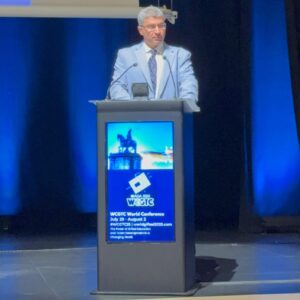
The approach to High Abilities/Giftedness in academic and educational spheres has seen significant progress in Uruguay during 2025. Within the General Directorate of Early Childhood and Primary Education (DGEIP), a training course for teachers on the identification and educational support of students with High Abilities/Giftedness was conducted. This course was led by professionals from the High Abilities/Giftedness Research Group (GIAHSD) at the University of the Enterprise and ran from September 2024 to February 2025. Due to primarily governmental changes, this training has not been offered again, although it is hoped that it can be replicated in 2026 in other teacher training programs.
Professionals from this group participated at the 26th WGCTC World Conference in Braga, with three Uruguayan academics presenting research advances and results in the field. The Dr. Joseph Renzulli Center for Attention and Research on High Abilities/Giftedness continues its full university outreach activities through the GIAHSD group, which offers identification of children, adolescents, and adults with high abilities/giftedness, guidance to educational institutions, talks, training sessions, and monthly online workshops for individuals with high abilities/giftedness and their families.
The 1st International Congress on High Abilities/Giftedness will be held on January 23, 2026, at the Pocitos campus of the Universidad de la Empresa in Montevideo. It will feature internationally renowned speakers and has been declared of interest by the Uruguayan Ministry of Education and Culture.
The 1st CIAHSDUY will include oral presentations and roundtable discussions by leading researchers and specialists in the field. It is open to the entire region, the university community, and teachers and students from other educational institutions at all levels, both public and private. The event will be organized by the Center for Attention and Research in High Abilities/Giftedness (CAIAHSD) of the UDE.
WCGTC Executive Committee

Anies al Hroub
President
Professor of Educational Psychology & Special Education | American University of Beirut
Visiting Scholar | University of Cambridge (2025 - 2026)
Beirut, Lebanon

Eleonoor van Gerven
Vice-President
Managing Director | Slim! Educatief
Almere, Netherlands

Mojca Juriševič
Secretary
Professor of Educational Psychology | University of Ljubljana | Ljubljana, Slovenia

Margaret Sutherland
Treasurer
Senior Lecturer in Social Justice Place and Lifelong Education | University of Glasgow
Glasgow, Scotland

Susana Graciela Pérez Barrera
Member
Coordinator of the Doctoral Program in Education and of the Master Program in Gifted Education | Universidad de la Empresa
Montevideo, Uruguay

Jyoti Sharma
Member
Professor of Mathematics Education (Specialises in Giftedness and Creativity) and Joint Director |
Cluster Innovation Centre,
University of Delhi
Delhi, India

Alexandra Vuyk
Member
Professor of Psychology |
Universidad Católica Nuestra Señora de la Asunción
Asuncion, Paraguay
Tyler Clark
Executive Administrator
World Council for Gifted and Talented Children, Assistant Director of Operations at The Center for Gifted Studies |
Western Kentucky University
Bowling Green, KY
Since the year 1945,Japanese education system focused on to give all children equal education regardless different abilities.
So the gifted children waisted time in the school.
I think that has been the cause of so-called Japanese lost 30years in the economy. So I hope thanks to WCGT, Japanese gifted children will thrive their abilities .
I highly appreciate Japanese government’s decision to join for WCGT.