
World Gifted
Official Newsletter of the World Council for Gifted and Talented Children
Volume 45
Number 1
The World Gifted newsletter is the bulletin of the World Council for Gifted and Talented Children. It contains the latest news and information concerning the organization, its membership, and the international gifted education community.
Message from the WCGTC President, Anies Al-Hroub
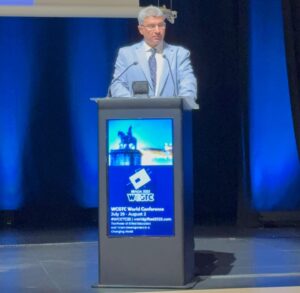
Dear WCGTC Members,
Looking ahead to the WCGTC 2027 World Conference in Slovenia, the Executive Committee is developing a program aligned with our community’s priorities, challenges, and goals. We are selecting keynote speakers to foster meaningful discussions across research, policy, and practice. We are also preparing the WCGTC 2027 Abstract Proposal Submission Guide, which will clearly outline conference themes, presentation formats, submission procedures, and the review process.
At the same time, we continue to strengthen the scholarly work of the WCGTC by developing the Gifted and Talented International (GTI) Journal. A major part of this work is the special volume, Gifted and Displaced: Examining Giftedness in the Contexts of Migration and Forced Displacement, published across the June and December 2026 issues. The two-part volume reflects the breadth and complexity of the topic and aims to build a sustained research agenda on giftedness in contexts where migration, conflict, exile, and forced displacement disrupt stability, opportunity, and educational continuity. The June 2026 issue featured five interconnected articles examining giftedness in migration, exile, and refugee education, as well as the destruction of educational systems. They demonstrated that ability alone was not enough; access to proper assessment, supportive institutions, language resources, mentorship, and ongoing learning opportunities was essential. See a list of those articles below The December 2026 issue will expand this discussion, adding broader geographical, methodological, and theoretical perspectives.
I invite our members to share their research, experiences, and perspectives at the WCGTC 2027 World Conference and the Gifted and Talented International (GTI) to help shape a more inclusive, equitable, and globally responsive future for gifted education.
Warm regards,
Prof. Anies Al-Hroub
WCGTC, President
Looking ahead to the 2027 WCGTC World Conference in Ljubljana, Slovenia
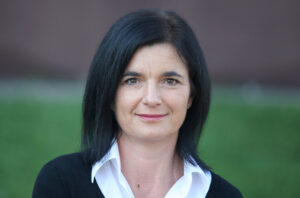 Dear Colleagues,
We are delighted to invite you to join us in Ljubljana, Slovenia, for the 2027 World Council for Gifted and Talented Children World Conference. Our goal is to foster meaningful discussions and share transformative ideas that will empower future generations to nurture creativity and excellence in gifted and talented individuals.
Your expertise and insights would greatly enhance our collaborative efforts to envision and shape a more innovative and inclusive future.
We look forward to welcoming you to Ljubljana!
Mojca Juriševič
Local Conference Committee Chair

Did you know...
The WCGTC website includes several pages collating information about what is happening around the world in gifted education and talent development.
- Gifted Education Degree Programs Listing | Check our our Graduate Student Resources Page, too!
- Dissertations and Theses
- Calendar of Events
- Job Board
- National Gifted Education Information
- Gifted Support Links
We are always looking to enhance our website to include more resources for our members. If you have an idea of what we might consider, contact us at headquarters@world-gifted.org.
Gifted and Talented International
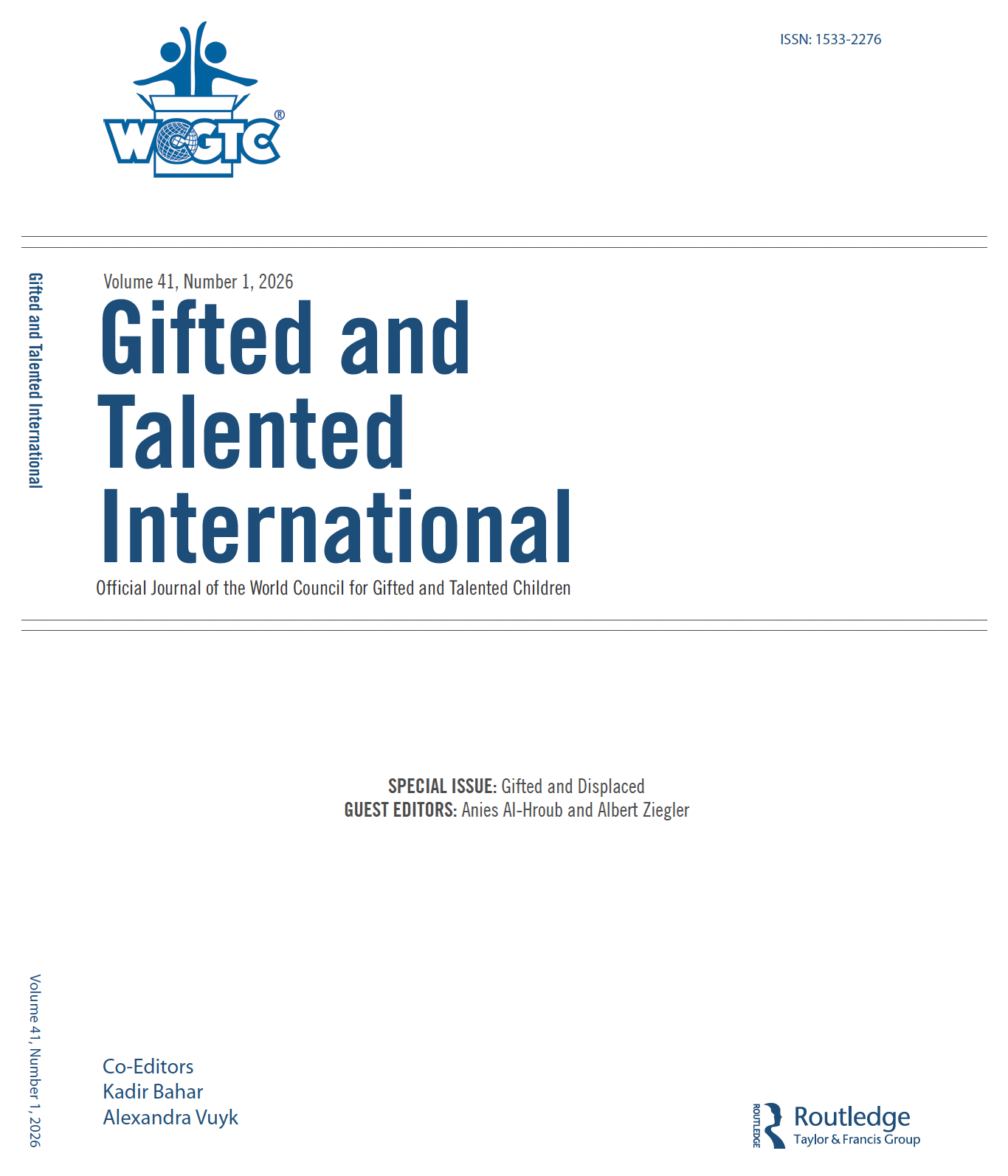 The next issue of GTI is now available. It is the first issue of a double special issue on Gifted and Displaced. Thanks to Anies Al-Hroub and Albert Ziegler for guest editing these special issues. There is one regular article included in this issue as well. See below for the article details.
 Did you know...
WCGTC members receive complimentary access to not only GTI but also Roeper Review and Creativity Research Journal! Click the buttons below to access the archives with your membership.
Gifted and displaced: Examining giftedness in the contexts of migration and forced displacement — perspectives from Palestine, Jordan, Germany, Türkiye, and the Netherlands
Anies Al-Hroub & Albert Ziegler
Giftedness across borders framework: A resource-oriented analysis of migration and forced displacement
Mehmet Bicakci & Albert Ziegler
The fragility of giftedness in exile: Lived experiences of displaced academics from Turkey
Uzeyir Ogurlu, Hasan Aydin, & Bruno Halpern
Displaced giftedness in Gaza: A systemic model of non-activatable giftedness
Anies Al-Hroub
Predictive factors for giftedness among Syrian refugee students: A focus on academic achievement, gender, and school context
Ali M. Alodat
Language, migration, and the identification of giftedness: Evidence of systemic misalignment in the Netherlands
Femke Hovinga & Yvonne Cramer
The transformational imperative for gifted education in the age of AI
David Yun Dai
Who are the WCGTC Delegates?
Delegates Discourse

Algeria
Naima Benyakoub (psy.univb2dz@gmail.com
On November 16, 2025, the Ministry of Higher Education and Scientific Research launched the digital platform for the second edition of the “President of the Republic’s Award for Innovative Researcher,” covering eight strategic fields.
During the same period, Professor Dr. Naïma Benyakoub participated in the 11th International Conference entitled “Brain Science and the Development of Scarce Competencies: A Cognitive-Neuroscience Approach to Giftedness and Creativity”, organized by the Human Resource Development Research Unit at Mohamed Lamine Debaghine University of Sétif 2 on November 16–17, 2025.
On November 19, the Algerian Association for the Gifted and Talented officially received approval for the renewal of its Executive Board.
Algerian students achieved remarkable international success. On November 29, 2025, a team from the National Higher School of Mathematics, composed of Mohamed Amir Benmelouka, Haitham Ait Hamdoush, Abdelnassir Boufadjine, and Abdelilah Hammadi, won first place and the Gold Medal at the Moscow International Mathematical Olympiad. During the same period, Oqba Ferghani gained international recognition after being included in the Forbes Middle East 30 Under 30 list for developing the Kitsune Optimization Algorithm (KOA), designed to improve solar energy systems.
Scientific research and innovation remained highly active throughout December 2025. Professor Nadjim Dahhak was appointed Head of Geriatric Engineering at Johns Hopkins University in recognition of his work on artificial intelligence models for the non-invasive detection of neurodegenerative diseases. Educational inclusion was highlighted during the International Day of Persons with Disabilities, when Dhikra Ines Cheiter was honored after winning the national letter-writing competition among more than 74,000 participants. The 15th National Innovation Exhibition in Oran attracted 150 exhibitors, while Algérie Télécom’s FORSA TIC Hackathon supported nine promising artificial intelligence projects.
December also witnessed several major international achievements. Mohammed El Amine Kherrouf won first place worldwide at the Global Robotics Challenge in Riyadh with his smart medical-monitoring T-shirt. In astronomy, NASA confirmed the discovery of asteroid 2024 WH52 by the Algerian Astronaut Team led by Mustapha Benkassmia. The year concluded with the Ministry of National Education honoring fourteen gifted students as Ambassadors of the Arabic Language.
The beginning of 2026 further confirmed Algeria’s growing commitment to artificial intelligence and entrepreneurship. The National School of Autonomous Systems organized its Artificial Intelligence Hackathon on January 6–7, while the National Exhibition on Artificial Intelligence and Entrepreneurship was held in Sidi Abdellah on January 8. The event rewarded several innovative projects, including the Sadi Platform, Achlam FMC, and PSE. Algerian prodigies Zakaria Boubertekh and Mohamed Amjed Aniceur also distinguished themselves by winning the Gold and Silver Cups respectively at the International Mental Arithmetic Cup held in Jordan.
During February and March 2026, Algeria continued to consolidate its achievements in innovation and scientific research. The country marked the first anniversary of Law No. 25-01 concerning the protection of persons with special needs. At the 51st Geneva International Exhibition of Inventions, Professors Ismail Hassen and Abdelhadi Bachir from the University of Batna 2 received the Gold Medal in renewable energy for their project entitled “Solar Cooling Room with Thermal Inertia.” International recognition was also granted to Dr. Adel Sedrati, recipient of the Harrith Hasson Award in Gynecological Laparoscopy, while Akram Ramy secured third place at an Egyptian Artificial Intelligence Forum for his smart water-dam regulation system.
Academic excellence remained evident through the publication of Dr. Adel Jellouli’s article in Nature on the world’s first programmable liquid, known as “Metafluid,” developed at Harvard University. Zakaria Hachelaf received the Talent Award for Innovation and Entrepreneurship from the Beijing Institute of Technology for his Tencent AI model. He also earned additional distinctions, including the Smala Award DZ and membership in the American Institute of Aeronautics and Astronautics (AIAA). In the field of gifted education, Manar Benmestoura, a sixteen-year-old student from Tiaret, attracted international attention after solving complex mental arithmetic challenges in record time on the Russian television program Amazing People.
April 2026 was characterized by exceptional achievements in information technology, robotics, and artificial intelligence. Three Algerian student teams qualified for the global finals of the Huawei ICT Competition in Shenzhen, China. The First National School Innovation Award in Robotics, organized in Sidi Abdellah under the supervision of Minister of National Education Mohamed Seghir Saadawi, honored outstanding students from primary, middle, and secondary education levels. Algeria also ranked first in Africa at the African Olympiad on Artificial Intelligence held in Tunisia, winning four medals. Furthermore, the President of the Republic’s Award for Innovative Researcher recognized leading researchers and students for their scientific contributions, while the National Mathematics High School of Kouba won the National Inter-School Competition.
The momentum continued throughout May 2026. Minister of Higher Education and Scientific Research Kamel Baddari received Nesrine Morsli in recognition of her nanotechnology patent related to advanced drug-delivery systems. Minister Mohamed Seghir Saadawi honored Manar Benmestoura and announced her integration into the national Olympiad team. The Al-Jazari Team achieved international success by winning five major awards at the World Artificial Intelligence and Robotics Competition in Jakarta. Meanwhile, Dr. Djihad Dina Amamri of Bab El Oued Hospital earned second place worldwide at MIRCIM 2026 in Krakow, Poland, for her research on Hughes–Stovin Syndrome and Behçet’s Disease.
These achievements demonstrate Algeria’s increasing capacity to identify, nurture, and support gifted and high-achieving individuals across a wide range of disciplines. They also illustrate the positive impact of sustained investment in education, scientific research, innovation, technology, and talent development, reinforcing Algeria’s growing presence and influence on both the regional and international stages.

Argentina
Paula Irueste (paula.irueste@unc.edu.ar)
Argentina has continued to strengthen the field of gifted education through advances in research, professional training, family advocacy, and educational policy. During the past year, collaboration among universities, professional organizations, families, and public institutions has contributed to greater recognition of the needs and potential of gifted learners across the country.
Research, Professional Training, and International Collaboration
The Neuropsychology Service – Child Area at the Faculty of Psychology, National University of Córdoba (UNC), directed by Dr. Paula Irueste, continues to serve as a national reference center for the identification, assessment, and support of children with high abilities and their families. The service promotes both local development and international collaboration.
During 2025–2026, research projects focused on giftedness, socio-emotional development, twice-exceptionality, creativity, and talent development contributed to the growing body of knowledge on high abilities in Argentina. Professional training also expanded through the postgraduate course “High Abilities: Identification and Intervention from an Integral Perspective” at UNC bringing together psychologists, educators, and related professionals from different regions of the country.
The growing national impact of these initiatives is reflected in outreach activities across Argentina. During the reporting period, Dr. Paula Irueste delivered an open lecture in Mendoza for educators and mental health professionals on giftedness and educational inclusion. In Salta, she will participate in an event sponsored by the Provincial Legislature in the context of the implementation of Emotional Education legislation, promoting dialogue on emotional development, inclusion, and high abilities.
International collaboration has continued to expand. A major milestone was the publication of a special issue on giftedness and talent development in Latin America in Cogent Education, co-edited by Dr. Paula Irueste. The issue brought together scientific contributions from researchers representing nine countries and strengthened a growing network of Latin American scholars and practitioners in the field.
Dr. Irueste also represented Argentina as a speaker at the International Congress on Giftedness and High Abilities in Uruguay and has been invited as a speaker for the 2026 CONBRAS Conference in Brazil, one of the region’s leading events on giftedness and talent development. These initiatives reflect Argentina’s increasing participation in international scientific and professional networks.
Civil Society and Family Advocacy
The Argentine Association for High Abilities has continued to play a central role in promoting awareness, advocacy, and support for gifted individuals and their families. Through educational campaigns, conferences, webinars, family meetings, and professional development activities, the Association has strengthened a growing national network of families, educators, psychologists, and researchers. The Association has also actively participated in discussions regarding educational rights and public policies, helping to increase visibility and recognition of gifted learners within educational and health systems.
Policy and Educational Advances
One of the most important developments during this period has been the progress made in the Province of Buenos Aires through the implementation of educational guidelines and support frameworks for students with High Intellectual Abilities. These measures promote early identification, individualized educational planning, curriculum enrichment, acceleration when appropriate, flexible educational pathways, and socio-emotional support. This represents a significant step forward in recognizing the educational rights of gifted learners and providing differentiated educational opportunities within the school system.
Looking Forward
Although challenges remain regarding systematic identification, teacher preparation, and equitable access to specialized services, Argentina continues to make meaningful progress in gifted education. A notable feature of recent developments has been the growing integration of research, professional training, family advocacy, and public policy. Through the work at the National University of Córdoba, the role as Argentina’s Delegate to the World Council for Gifted and Talented Children (WCGTC), the participation in the European Talent Support Network (ETSN), and the contribution as Co-Editor of a regional special issue in Cogent Education, has contributed to strengthening connections among professionals, researchers, families, and policymakers in Argentina and across Latin America.
Argentina remains committed to advancing research, promoting educational opportunities for gifted learners, and contributing to international collaboration through the WCGTC, ETSN, Phoenix International Research Group and GIAHSD.

Australia
Michelle Ronksley-Pavia (m.ronksley-pavia@griffith.edu.au), Victoria Poulos (victoria.poulos@cresteducation.vic.edu.au), James Adams (j.a.g.adams@hotmail.com), and Carmela May (carmela.may@det.nsw.edu.au)
National Overview
Across Australia, Gifted Awareness Week has been celebrated through seminars, online events, school activities, and professional conversations aimed at increasing understanding of giftedness and the educational needs of gifted learners. Led by the AAEGT; 2026 theme “Varied Voices, Shared Futures.” encouraged educators and communities to focus on recognising and celebrating the diversity of gifted students. Schools, universities, and gifted associations around the country participated by sharing resources, hosting workshops, promoting advocacy initiatives, and celebrating the strengths and diverse profiles of gifted students.
State and Territory Updates
Australian Capital Territory
The Canberra Gifted Awareness Week Symposium was held in May 2026. The program was designed for school leaders, policy makers and educators, with the afternoon session having a parent focus. The speaker lineup featured speakers on a range of topics. The combination of practitioner and parent-focused sessions reflected growing recognition of the importance of coordinated school–home partnerships for gifted education.
New South Wales
During 2026 the New South Wales (NSW) dedicated team in the Department of Education has continued to assist public schools to implement the mandatory High Potential and Gifted Education (HPGE) policy. These schools continue to strengthen implementation of the policy through a HPGE website, professional learning, resources and research. In 2026 all NSW public schools participated in a full day of mandatory professional learning on Neurodiversity and Inclusion.
A range of professional learning options for Gifted Awareness Week featured keynotes and panels from academics alongside experts from the NSW Department of Education HPGE advisors, school leaders, principals and classroom teachers.
The Sydney Gifted Education Forum hosted an afternoon dedicated to parents of school-aged gifted and twice-exceptional children. Topics included academic mismatch, advocacy, and student wellbeing. In between panels, attendees connected with a supportive community and explored a mini expo of specialist providers.
Queensland
Recent activity centred on professional learning, enrichment and community engagement through QAGTC initiatives. QAGTC State Conference was held on 22 May 2026 at the Brisbane Convention and Exhibition Centre, focusing on “Wellbeing of the Gifted Student: The Complex Interplay of Strengths and Challenges”, and provided professional learning through keynote presentations and workshops addressing social-emotional development, twice-exceptionality, belonging, and student support. QAGTC has also continued to facilitate community engagement through branch-based events. Student opportunities have been provided through the QAGTC Children’s Challenge Workshops for the Gifted, on 1–2 July 2025, offering hands-on workshops designed to extend creativity, problem-solving and collaboration among gifted learners.
South Australia
Support for gifted and high-potential learners continues to grow. GTCASA continues to play a central role in advocacy, enrichment, and professional learning. South Australia is also hosting the upcoming Symposium for Gifted Education in Adelaide in August 2026. As part of Gifted Awareness Week 2026, South Australian schools and organisations have engaged in national conversations aligned with the theme “Varied Voices, Shared Futures,” contributing to increased visibility of diverse gifted learners and promoting inclusive approaches to identification and support.
Tasmania
Growing awareness of the needs of gifted and high-ability students across both government and non-government schools, with support through programs such as Gifted Online. TAG provides a wide range of support for gifted children, families, and educators; events and activities include online information evenings with researchers and educators, parent support sessions, teacher professional learning, and discussions on topics such as twice-exceptionality, underachievement, social-emotional wellbeing, The theme for Gifted Awareness Week supporting the affective traits of gifted students: Why social context matters with Dr Katrina Eddles-Hirsch, was held by the Tasmanian Association for the Gifted. A poster competition was created for students to design a visual poster to celebrate the week.
Victoria
Victorian Government has continued to invest in the Student Excellence Program, providing government schools with access to High Ability Practice Leaders, enrichment opportunities, and professional learning to better identify and support gifted students. Organisations such as VAGTC have also played a role in advocating for gifted learners through seminars, parent support, and community engagement. Increasing attention has also been given to equity in gifted education, including the needs of twice-exceptional students and students from underrepresented backgrounds.
Western Australia
A Picnic in the Park 2025 organised by Gifted WA and MENSA as a joint event was held in May to celebrate Gifted Awareness Week.

Canada
Hoda Kilani (hodakilani@shaw.ca), Rachel Lin (rachelrc.lin@ubc.ca), and Kenneth Reimer (ke.reimer@uwinnipeg.ca)
Generative Artificial Intelligence (AI) is on everyone’s discussion table. Not surprisingly, it is a big topic in Canada’s kindergarten to grade 12 education system. A reminder that while many nations operate under a national education framework, the governance of education across Canada’s ten provinces and three territories resides principally with the provinces and territories.
As expected, use of AI in the classrooms will differ depending on where students reside. Across the nation, educators are cautiously optimistic. With a lack of policy, laws, and regulation for the use of AI in K-12 classrooms, embracing a mindful approach to its use is at the forefront of every teacher’s mind. How can we best celebrate the efficient use of AI and manage the safe and ethical concerns that arise from its use? Governments across the provinces and territories are also debating this question and their varied but ambiguous response is palpable. Below, we provide a high-level snapshot of AI use currently shaping Canadian classrooms.
While cellphones are banned in Alberta classrooms, AI is becoming a defining force reshaping Alberta’s classroom and influencing teaching practices in ways that were not imaginable a few years ago. The Alberta Teachers Association has been conducting an AI scoping research project and one of the most pressing concerns raised is the risk of moral passivity. Will education leader rely too heaving on AI and surrender professional judgement?
In Manitoba, the provincial government is exploring the idea of a social media and AI chatbot ban for youths under 16 years of age. Cellphone use was previously banned for students in Manitoba schools in 2024. While this proposal is supported by many in the medical profession, Manitoba educators are concerned that this may include a ban on teachers using YouTube videos to enhance their lessons. Teachers hope that further consultations will occur before any outright ban on social media use is put into place.
Moving further east, the use of AI in Ontario classrooms is celebrated and is left to teachers’ professional judgement leaving teachers with little to lean on. Tough conversations about its growing use highlight its adverse effects on student learning and well-being. Teachers’ major concern is not surprisingly the threat of AI use to teacher autonomy and students’ safety.
Highlighting our provincial differences, in 2024 the province of Quebec’s Ministry of Education published (in French) a promising guide for educators on the pedagogical, ethical, and legal considerations in educational settings. However, the ministry announced the suspension of the use of AI in 2025 citing several concerns including risks to information security and protection of personal information as well as ethical issues.
As with every technological use, one final national concern is the inequitable access that will further increase educational disadvantages between students, schools and school boards. With our experiences in Canada, we realize that research on the impact of the use of AI in K-12 classroom on teachers and students is urgently needed.
Within Canadian higher education, considerable discussion is emerging regarding the role of AI in teaching and learning. One area of interest is the extent to which AI may support more personalized and learner-centred educational approaches. For example, exploring “ungrading” practices, in which students establish their own learning goals and expectations for achievement within a course. Such developments raise important questions about the future of education. It would be valuable to examine how these approaches might translate to K–12 learning environments and influence future educational practices.
Furthermore, when it comes to gifted students using AI tools, while we can clearly see how they can be tools to advance learning and self-exploration, our concern is neither the technical difficulties they may encounter nor their safety and well-being. Our interest lies in the double-edged sword effect on their emotional well-being namely offering high-level cognitive stimulation while posing risks to their unique social and emotional well-being. Whether you live in Canada or anywhere else in the world, we would love to hear your thoughts and how your country is dealing with the bursting wave of AI, particularly its use among gifted students.
And finally, we would like to share an invitation from the province of British Columbia. Research from the University of British Columbia is looking to support Canadian parents in advocating for their gifted child’s needs. If you are a Canadian parent or researcher with knowledge about parental advocacy in your local communities, please reach out to rachelrc.lin@ubc.ca

Chile
Maria P. Gomez-Arizaga (maria.gomez.ar@usach.cl), María Leonor Conejeros-Solar (leonor.conejeros@pucv.cl), and Ninoska Inochea (inocheaninoska@gmail.com)
Gifted education in Chile is currently facing a critical moment. For more than 20 years, the country’s seven university-based Academic Talent Development Programs have constituted the main formal and systematic response for gifted education nationwide. These programs were specifically created to provide educational opportunities, academic enrichment, and socioemotional support to high-potential students from public schools, many of them coming from historically underserved and socioeconomically vulnerable communities.
Currently, the programs serve 1,939 scholarship students from 407 schools across 112 municipalities throughout the country, while more than 5,000 students have graduated from these initiatives since their creation. Over the years, the programs have contributed not only to talent development, but also to university access, persistence, and the creation of new educational and professional trajectories for students who often lacked access to advanced learning opportunities within their regular school contexts.
At the same time, gifted education in Chile continues to exist within a fragile policy landscape. Although the country has made significant advances in educational inclusion in recent decades, gifted students remain largely absent from educational legislation and public policy. In practice, the university-based talent programs have operated as the primary sustained mechanism for identifying and supporting gifted learners across the country. Recent research has highlighted both the relevance of these programs and the persistent lack of a broader national framework capable of ensuring educational opportunities for this population (Gomez-Arizaga et al., 2025).
The continuity of these initiatives became deeply uncertain. In the proposed 2026 national budget, the Ministry of Education eliminated the scholarships allocated per student, which constitute the principal source of funding sustaining the programs. As a result, the programs have effectively been left without ministerial funding for 2026, while their continuity beyond 2027 remains unclear.
This situation is particularly striking considering that the total investment represented by these programs corresponds to only 0.04% of the Ministry of Education’s overall budget. At the same time, their impact extends far beyond the number of students currently enrolled. For many families, schools, and communities, these programs have represented one of the few existing spaces where giftedness is recognized, nurtured, and understood as compatible with educational equity and inclusion.
The current situation has generated growing concern among researchers, educators, families, alumni, and international colleagues in gifted education. Different advocacy and dissemination efforts have emerged during recent months to raise awareness regarding the importance of sustaining long-term support for gifted students in Chile, particularly for those from underserved backgrounds.
As discussions on educational inclusion continue worldwide, the Chilean case highlights the importance of understanding gifted education not as an isolated or secondary issue, but as part of broader conversations regarding equity, access to educational opportunities, and the development of human potential. When sustained support structures disappear, many talent trajectories risk being interrupted before they can fully emerge.

Czech Republic
Eva Vondráková (vondrakova@gmail.com)
There is always something happening in the Czech education system.
We have another Minister of Education, but this time he is not completely new. Robert Plaga was in this position from 2017 to 2021, so he has experience and is familiar with the issues. This time he took office at a time of major changes, some of which are risky from the perspective of experienced practitioners. These changes include the intended abolition of school attendance deferrals (OSD), with the exception of serious health reasons. Some children would really succeed even without OSD. However, there are more who would really benefit from the deferral and will have many problems without it, as research and practice show. Inclusion, renamed co-education, increases the number of children who need the help of an assistant and the demands on the teacher, who will only have one assistant for the entire class. These are not optimal conditions for the development of children’s talents, nor for wellbeing. More and more children have psychological problems, while there is a shortage of child psychologists and psychiatrists. To avoid these problems, many parents are looking for or establishing private or alternative schools. The number of children in home education is also increasing significantly. “Co-education” paradoxically increases the departure of children to “segregated” education.
However, we also have a number of remarkable examples of successful development of the potential and motivation of children, including the exceptionally gifted. In all cases, the personal enthusiasm of those who helped spread the joy of learning and their willingness to overcome obstacles plays a role.
On Saturday, May 16, a meeting of the “children” who attended the Sovičky (Little Owls) class took place at the Rozmarýnek Kindergarten in Prague 13. The teacher, Soňa Novotná, prepared a very high-quality and interesting program. The impetus for founding the Sovičky was the experiences of parents whose gifted preschool children had problems in kindergarten, which was unable to offer them a sufficiently interesting program and understanding of their specific needs.
In this class, gifted children were very satisfied, they broadened their horizons and later used what they learned in school. Sovičky existed for only 8 years, because the number of children in kindergartens increased and society was not very favorable to gifted children (later there was a slight improvement, but the lack of interest or even aversion to supporting gifted children still persists to a large extent). However, the program was unique and successful. That is why we decided to commemorate it at the ECHA conference, which will take place in Dublin in August 2026.
The children are now around 20 years old. Eighteen of them showed up for the meeting, others made themselves known. All of them we are in contact with are studying at university or grammar school. Some are already working (e.g., IT, lawyer, actor, laboratory technician). A very nice group of friendly young people and some parents gathered. Everyone remembered Sovičky and how they influenced their current focus. It is a great example of how useful it is to focus on gifted children already at preschool age.
Another example of a great activity for the development of the potential and motivation of young people for science is the project “Consider Science,” the author of which is a high school student Jan Herzig. Jan is an enthusiastic astronomer who is at the level of an adult expert and popularizer of astronomy and wins international competitions. However, his main goal is to motivate his peers to be interested in science.
The organization’s main activities include organizing events for high school students. Every year, it organizes the event Zvaž vědu! in large Czech cities, to which successful solvers of international rounds of subject Olympiads and scientific internships are invited, mainly from the given region. The event is usually attended by over 300 high school students and an accompanying program in the form of excursions to nearby research centers is provided. The organization also strives to promote natural science disciplines in high schools, organizes workshops and participates in major popularization fairs.
As of May 2026, about 1,700 students (and another 200 participants from among representatives of educational institutions) aged 15 to 19 from 140 schools across the Czech Republic and two schools in Slovakia participated in the event Zvaž vědu!.
Jan is nominated for a state award for his extraordinary achievements. More information can be found at: zvazvedu.cz
https://www.linkedin.com/in/jan-herzig-372a46316/
A school that can create a tailor-made program for exceptionally gifted and atypical students is Academic School Uherské Hradiště. Information about it can be found at https://academicschool.cz/

Germany
Annette Heinbokel (annette.heinbokel@swbmail.de)
In 2018 the ‚LemaS‘ (Leistung macht Schule) project was started. All the German states plus the Federal Government planned to spend 125 million Euros over 10 years. In the beginning 300 schools were involved, later it was extended to 1000 schools. The project was interrupted by Covid when schools were closed.
The project did not only have gifted students (IQ 130+) in mind but included high achievers and potentially high achievers. The project is accompanied by research on its efficiency. The focus is on all forms of enrichment. To be clear: I am not only a researcher focusing on acceleration, I was also a full-time teacher. Our school successfully accelerated the largest number of students in our state, but we offered far more enrichment, because that way far more children can be reached. It can be really ‘enriching,’ depending on whether the offer meets the interests of the children.
Acceleration is part of the LemaS project. At the start I contacted the Federal Government and asked if there would also be research on acceleration. The answer: It is not necessary because enough is known about acceleration.
That is correct. Acceleration is the best researched area of gifted education, especially in the United States. According to John Hattie’s meta-analyses, there were far fewer students who were accelerated; however, acceleration was about twice as effective as enrichment. Apart from being more effective, it saves money.
In the early 90s I did research for my PhD on grade skipping. I had questionnaires for all the schools in Lower Saxony, one of the 16 German states, where it was allowed and made sense. Questionnaires were for parents whose children had skipped and interviews were conducted with young grade skippers (13 and older). The results were so positive that the state changed the law. On the one hand grade skipping was made much easier. On the other hand, though, it did not occur to officials that teachers needed training on how to handle it properly, so as a result mistakes were made and children suffered. I repeated the research concerning the schools in 2001, because I wanted to know how the change in the law and a more positive attitude towards giftedness had influenced the figures. In the 80s there were 311 grade skippers per year, in the 90s there were 1907.
Counselling families of gifted children shows that in too many schools this knowledge has not arrived yet, not even with school psychologists. An example that happened at the beginning of the Covid pandemic: A boy had been tested when he was 7 years old. In some of the sub-tests he was far ahead of his age mates, in none of them he was below them. When he was 10 and in grade 4 the mother asked for my advice. Because of the pandemic, the children were either sent tasks by mail or printed material. It would have been easy to give him the tasks of a higher grade, but the school did nothing. There were a few days when the children had to be present. The boy refused to cooperate or to be present at all; he was bored stiff. There was a round table including the headmistress, two of his teachers, and the school psychologist. The mother asked me to be present to support her. During the discussion, the psychologist said: “He must do exactly the same tasks as his age mates to practise his tolerance for frustration.” – His story has not ended yet, but the following years have not been happy.
In my opinion it is also important to ask adults about their memories of grade skipping. While they are still at school, the answers of the children, the parents and the school can be different three months or three years after skipping, because the private circumstances or those at school have changed. Adults remember whether it was intellectually or emotionally easy or difficult and why. In the early 90s I started collecting questionnaires and doing interviews. During the following years I found 115 women and men; their birth years were between 1917 and 1987, so their answers span 70 years. 90% of the women and 80% of the men said they would do it again if circumstances were the same.

Hong Kong, China
Serene Chan, Joe Tsui, and Mantak Yuen
Cross-Cultural Sharing Event and Future Directions in Gifted Education
On May 27, 2026, Hong Kong’s gifted education community enjoyed a meaningful opportunity for international exchange through a cross-cultural sharing event on gifted education. Organized by the Hong Kong Professional Association for the Gifted and Talented (HKPAGT), the event brought together educators and researchers to explore shared visions and culturally grounded approaches to nurturing giftedness.
HKPAGT is a collaborative professional network committed to advancing gifted education in Hong Kong through professional dialogue, partnership, and knowledge exchange. Through the facilitation of Prof. Mantak Yuen of Hong Kong Shue Yan University, the Association invited Indian researcher Dr. Devasena Desai from the Kaveri Gifted Education and Research Center (KGERC) in Pune, India, to share an Indian model of giftedness and talent development.
The event was hosted by Stewards Pooi Tun Secondary School. School Principal, Ms. Bonnie Lam, introduced the school’s provisions for gifted education, highlighting its commitment to whole-person development and to creating learning opportunities for students with diverse strengths and potential.
Two teachers, Mr. Tommy Ng and Ms. Cherry Lau, then elaborated on the school-based gifted education model, which operates at three levels – whole class, pull-out, and external. At the whole-class level, the school implements a “Learning to Learn” curriculum for all students. At the pull-out level, selected Secondary 2 and 3 students participate in the school’s distinctive ACORN+ model. This model encompasses Academic Fortitude, Collaboration, Opportunity to Serve, Realm Expansion, Nurturing Ownership, and Faith Integration.
The presenters emphasized that gifted education should go beyond advanced skills and academic performance. In their view, resilience, service, responsibility, and faith are all important dimensions of student growth. Their sharing reflected a holistic understanding of giftedness that values not only ability, but also character, purpose, and contribution.
The international sharing session then shifted to the Indian perspective. Dr. Devasena Desai, together with her colleagues Ms. Deepa Kajale and Ms. Sampada Deshpande, presented on “Curiosity, Sensitivity and Wonder: Gifted Education at KGERC India.” The session began with several minutes of mindful breathing, helping participants become more focused and grounded. This opening reflected the Indian team’s emphasis on inner awareness and holistic development.
Dr. Desai introduced the concept of Panchakosh, or the “five layers” of human development, which underpins the KGERC approach. In this framework, giftedness is understood not only in cognitive terms, but also through emotional, social, physical, and spiritual dimensions. Participants were struck by the strong resonance between the Panchakosh framework and Hong Kong’s ACORN+ model. Despite being developed in different cultural contexts, both approaches stress that nurturing gifted learners involves more than achievement alone.
One of the most encouraging outcomes of the event was the recognition of shared values across Hong Kong and India. Although the two regions differ in educational systems and cultural traditions, the presentations revealed common commitments: supporting the whole child, integrating inner development with outward performance, and helping students grow with resilience, reflection, and a sense of purpose. These commonalities offered a strong foundation for further professional dialogue and collaboration.
The event was valuable not only because it introduced different models of gifted education, but also because it encouraged participants to reflect on how local practices may be enriched through international and cross-cultural perspectives. It demonstrated how dialogue across regions can deepen understanding of giftedness and open new possibilities for school-based practice, research, and partnership.
Looking ahead, Hong Kong will continue this momentum through the International Conference on Giftedness and Talent Development 2026, to be held from October 8 to 10, 2026, at The Education University of Hong Kong (Tai Po Campus). The conference theme, “Evolving Perspectives: Gifted Education and Talent Development in a Global Context,” underscores the importance of inclusive and culturally responsive approaches to nurturing talent worldwide.
Educators, researchers, policymakers, and practitioners are warmly invited to join this enriching gathering. The conference offers exceptional opportunities to engage with leading international scholars, explore cutting-edge research and innovative practices, build collaborative networks across borders, and gain fresh insights that can inform your work with gifted learners. Registration details are available at https://icgtd.eduhk.hk/event/3074.
Together, these events reflect an exciting direction for gifted education in Hong Kong—one that values international exchange, whole-person development, and the collective effort to nurture the gifts and talents of young people in an interconnected world.

Italy
Ermelinda Maulucci (ermelinda.maulucci@gmail.com), Marta Cattaneo (mcattaneo@jobadvisers.it), and Chiara Liffredo (chiara.liffredo@gmail.com)
The bill on gifted education has now completed its review in the Culture Committee of the Chamber of Deputies. As no amendments were approved, the text remains unchanged from the version previously approved by the Senate. The next stage will be the Plenary Section of the Chamber of Deputies debate. If no further amendments are introduced, the bill will become law. Should any changes be approved, however, the revised text will need to return to the Senate for final approval.
The Autonomous Province of Bolzano has recently published a handbook providing guidance on understanding and supporting gifted and twice-exceptional learners. The publication includes dedicated sections for both families and schools.
Growing numbers of schools are seeking guidance on how best to support gifted learners. As a result, many schools are organising professional development sessions to help educators better understand the characteristics of gifted students and the educational strategies that can be implemented. At the same time, the increasing awareness of gifted education within schools encourages more parents to share assessment reports and seek appropriate support for their children. Families are often looking not only for academic accommodations but also for support that addresses emotional, behavioral, and social development.
Many schools choose to implement an Individualized Learning Plan (PDP) following a request from the family. Such requests are typically accompanied by a professional assessment report identifying giftedness and, ideally, including recommendations for school-based support measures
Many middle schools now offer extracurricular afternoon activities as part of their educational provision, including foreign language workshops, robotics courses, and chess clubs. These activities encourage students to design projects, foster technical and logical thinking, teamwork, and improve effective communication skills.
At the secondary school level, schools increasingly provide extracurricular STEM programmes that prepare students to take part in competitions recognised within the Ministry of Education and Merit’s Programme for the Enhancement of Excellence. Among the best-known STEM initiatives are the Archimedes Games, the first stage of the Italian Mathematics Olympiad, and robotics competitions that can lead to participation in international events such as the World Robot Olympiad, RoboCup International, and the FIRST LEGO League. Within the humanities topics, students may participate in competitions in Classical Languages and Civilisations, which can provide access to international Ancient Greek competitions such as the Agog Politikos.
From an educational perspective, some teachers have begun to recognise the distinctive ways in which gifted learners process information and solve problems. As a result, they adapt assessment criteria and evaluation methods to better reflect these differences.
As research increasingly highlights the importance of psychoeducational approaches that support the diverse learning needs of students, some universities have introduced Master’s programmes focusing on intervention models and methodologies for gifted learners. These programmes aim to prepare highly qualified professionals capable of supporting learning and promoting positive educational outcomes for all students.
Families play a pivotal role in supporting gifted children and adolescents, particularly in educational contexts where provision remains uneven. Effective support at home is typically grounded in attentive listening, flexibility, and an appreciation of each child’s unique characteristics, rather than an exclusive focus on achievement.
Many families actively encourage opportunities for enrichment that reflect their children’s interests and intrinsic motivation. These may include reading, creative activities, scientific exploration, music, technology, strategic games, cultural experiences, outdoor activities, and extracurricular programs chosen according to individual passions. Artistic and athletic talents also deserve careful nurturing, with an emphasis on balancing talent development with emotional and social well-being.
Numerous free opportunities are available within local communities. Many families participate in public lectures, themed events, cultural activities, and science-related initiatives connected to their children’s interests. Some universities offer “University for Youth” programs featuring workshops, interactive lectures, and enrichment opportunities beyond the traditional classroom setting. Libraries, museums, science festivals, and cultural organisations provide further opportunities for informal learning and independent exploration.
Emotional support is equally important. Families frequently report the need to help their children navigate perfectionism, emotional intensity, frustration, and the academic or social challenges that may arise from feeling different from their peers.
Parent networks, associations, and local initiatives also play a valuable role in creating opportunities for connection and mutual support, helping to reduce the sense of isolation that gifted children, adolescents, and their families may sometimes experience.

Japan
Manabu Sumida (sumida.manabu.mm@ehime-u.ac.jp) and Erkki T. Lassila (erkki.t.lassila@dragon.kobe-u.ac.jp)
Activities of the Centre for Gifted Education and Talent Development
The Ehime University Centre for Gifted Education and Talent Development (EU-GATE), established in April 2025 in the faculty of education (https://eu-gate.jp/), completed its first year of operation at the end of March 2026. In addition to the two kick off events reported in the previous newsletter, the Centre developed a wide range of activities during its first year. The center provided counselling for parents and teachers of gifted learners, receiving around 70 cases from across Japan. As a part of its outreach activities, Professor Sumida also launched a regular podcast in Japanese called the Gifted Talk Japan to raise public awareness of the gifted and the issues they face.
Close cooperation was done with the attached school of Ehime university, leading to development of a range of school-wide teaching practices. Two undergraduate students visited the Korea Science Academy of KAIST as a part of an Ehime University study abroad programme, where they learned about Korean approaches to gifted education and present their own research activities.
The Centre is also developing an online mentoring and portfolio system that will enable children across Japan to deepen their research and learning. To support this initiative, EU-GATE is recruiting distinguished mentors from Japan and around the world, with the aim of building a global network that nurtures the talents and aspirations of young learners.
Founding of the Japan Society for Gifted Studies
The Japan Society for Gifted Studies (日本才能研究学会) was founded on the 10th of March 2026 (https://js-gifted.org/). Professor Emeritus Nobutaka Matsumura of Kansai University serves as the Society’s founding president, and its headquarters and secretariat are based at EU-GATE. The Society aims to bring scientific rigor into the study of giftedness via bringing together researchers and findings from educational sciences, sociology, medicine, philosophy, and brain science.
The Society is open for all those interested and sharing its goals of promoting basic and applied research on giftedness supporting the development of appropriate, research-based policies and societal approaches to the education and support of gifted and talented learners. It also seeks to promote ways of organizing educational activities and support system that are both culturally appropriate for the Japanese context while being informed by international research and practice.
The society hosts one national conference each year. Its inaugural event will be held in Matsuyama between 26th and 27th of September 2026. The society will also publish Japanese Journal of Gifted Studies on a regular basis and takes an active role in nurturing young scholars interested in gifted education through workshops and opportunities for consultation.
Government Initiatives
Debates on gifted education and talent development at the compulsory education level in Japan have advanced through the Working Group on Special Curricula for Students with Gifts and Talents, established in September 2025 under the Curriculum Subcommittee of the Central Council for Education. Its establishment marks a historically significant moment in Japanese education policy, as it represents a national-level discussion on how compulsory education should address both the learning and daily-life difficulties experienced by students with gifts and talents and to the development of their talents.
Chaired by Professor Manabu Sumida of Ehime University, the working group has held eight meetings with researchers in gifted education, psychology, comparative education and special education, as well as representatives from private organizations and local boards of education. Its discussions are framed by the “inclusion of diversity,” a key principle for the next revision of the National Curriculum. The Working Group has identified three main purposes of support: alleviating difficulties in learning and daily life; nurturing each student’s passions and strengths; and contributing to individual well-being and the creativity and vitality of society.
On this basis, a multi-layered system has been proposed. It combines flexible provision within the standard curriculum with a special curriculum drawing on specialist resources inside and outside school when ordinary provision is insufficient.
Japan Conference Excellence Award to APCG2024
The organizers of Asia-Pacific Conference for Giftedness 2024, held in Takamatsu, Japan, were awarded the Japan Conference Excellence Award by Japan National Tourism Organization (JNTO) in January 2026 for contributions to the Kagawa area and setting a benchmark for future events.

The Netherlands
Lineke van Tricht (lineke@bureautalent.nl) and Nora Steenbergen (n.steenbergen@slo.nl)
Macro-level: The Ministry of Education and Government Grant Programs
The Netherlands has a history of gifted education going back some forty years. In 2000, a national information point for giftedness was established, which was tasked with sharing information about giftedness with the field and organizing conferences. In 2014 the Ministry of Education nationally mandated ‘fitting education’ for gifted children within the public school system. Since 2018, the Ministry of Education offered alliances of schools the opportunity to apply for grants, to start and/or accelerate improvement in gifted education. With this funding, nearly every region in the Netherlands has developed plans for a full range of gifted services in primary and secondary education and occasionally in kindergarten. These activities were monitored by the IMAGE (Impact of Activities in Gifted Education) research project. The goal of this IMAGE project was to enlarge knowledge about ‘what works’ and ‘why.’ The grant of €2.7 million was provided by the Dutch government, and the project was executed between 2020 and 2025. Recently, the nation-wide research project Impact of Activities in Gifted Education (IMAGE) (https://www.imageproject.nl/) has officially ended, but publications are still planned for the coming year(s). Until now, the following scientific papers have been published:
Gubbels, J., Hornstra, L., van Weerdenburg, M., Diepstraten, I., & Bakx, A. W. E. A. (2025). Educational professionals’ attitudes, self-efficacy, and classroom practices toward high-ability students: The role of collaborative school culture and schools’ collective efficacy. Roeper Review, 47(1), 32–46. https://doi.org/10.1080/02783193.2024.2420362
Van Hooijdonk, M., van Weerdenburg, M., & Kroesbergen, E. H. (2025). Collaborating for gifted students with complex educational needs. Psychology in the Schools, 62, 1691–1703. https://doi.org/10.1002/pits.23425
Vergeer, J., Weerdenburg, M. van, Schils, T., & Bakx, A. (2026). Parents, teachers, and policy makers in educational interventions for gifted students: Systematic review study. Acta Psychologica, 266(May 2025), 106784. https://doi.org/10.1016/j.actpsy.2026.106784
Vergeer, J., van Weerdenburg, M., Schils, T.& Bakx, A. (2026). Teachers in gifted education: Their perception of involvement of and interacting with parents, school leaders and other teachers. Gifted Child Quarterly,70(1), 52-69. https://doi.org/10.1177/00169862251351940
Vergeer, J., van Weerdenburg, M., Schils, T., & Bakx, A. (2025). School leaders in gifted education: Their perceptions of involvement of and interacting with parents, teachers, and other school leaders. Education Sciences, 15(3), 281. https://doi.org/10.3390/educsci15030281
Permanent government funds
Effective January 1, 2026, the budget for education and support for high-ability students will become permanent. The €23.3 million annual budget from the “Gifted Students” subsidy programs will be added to the substantial support budget for collaborative partnerships, which already included an amount for gifted students. This will allow schools and collaborative partnerships to maintain and further develop the programs they have established for these students.
Meso-level: Institutions
National Talent Centre of the Netherlands (NTCN)
In 2022, the Ministry further expanded the information point tasks and assigned them to NTCN. Several initiatives have taken place since then in collaboration with the Dutch field of organizations and stakeholders. Their aim is to share knowledge and strengthen networks around giftedness. The Knowledge Center on High Ability does this by developing and disseminating publications, such as brochures and webinars, on topics like underachievement, peer-group education, acceleration and differentiation and by soliciting input from students, parents, and professionals to improve services.
We are proud to announce that the Knowledge Centre, together with the Ministry of Education, made it possible for a basic textbook on giftedness to be written, containing 25 chapters by 34 authors who, based on scientific research and practical experience, outline their vision for appropriate education for gifted students. This textbook was distributed by the NTCN’s Knowledge Center on High Ability to all primary and secondary schools in the Netherlands in December 2025.
Mensa Fonds Chair
Since January 2025, Tilburg University hosts the Mensa Fonds Chair on Giftedness, Transitions, and Societal Impact. The chair aims to advance scientific understanding of giftedness across the lifespan. Established through the support of the Dutch Mensa Fonds, it bridges research and practice to promote well-being and optimal development for gifted individuals in all life phases, as well as for positive societal impact.
Micro-level: Research and Practice
ECHA-specialists
One group of stakeholders in the field of giftedness is the network of ECHA-specialists in gifted education (ECHA = European Council for High Ability). The Radboud International Training on High Ability (RITHA) is the scientific course for practitioners (teachers, psychologists, coaches) to become ECHA-practitioner or ECHA-specialist in gifted education. The alumni of this specialization are connected in the ECHA network of the Netherlands, which was founded 15 years ago and has over 300 members now. With NTCN, SLO (the Netherlands National Institute for Curriculum Development) and LBBO (National Professional Association for Educational Support Professionals), ECHA will organize a major conference for the field during the Week of Giftedness on March 10, 2027.
RATiO expertise center
The Dutch scientific expertise center ‘Radboud Talent in Ontwikkeling (RATiO)’ [Radboud Talent in Development] encompasses a nation-wide group of Dutch researchers who do research in the field of gifted education, twice-exceptionality, underachievement, equity, creativity, and more topics related to giftedness. The goal of the center is to bridge the gap between science and practice by translating research results into publications for the general public and for policy makers. Innovative methods are used to gather knowledge about the characteristics and educational needs of gifted students and their environment. Inter- and intra-individual differences are central to this.
Research
The primary objective of the research project about temporarily out-of-school students at the University of Groningen is to provide a detailed description of a tailored approach based on interviews with those directly involved. This will be combined with a literature review to identify the theoretical foundations of the approach and explore potential areas for improvement. This research project is ongoing and will continue until the end of 2026.

New Zealand
Madelaine Armstrong Willcocks (madelaine.willcocks@neurodiversity.org.nz), Rosemary Cathcart (reacheducation@xtra.co.nz), and Deb Walker (d.walker@massey.ac.nz)
In Aotearoa New Zealand, gifted education continues to evolve within the wider national focus on curriculum reform. Alongside government-funded initiatives and ongoing policy review, schools, educators, and community organisations across the country continue to advocate for and provide support that enables gifted and twice-exceptional learners to access challenge, belonging, and opportunities to thrive.
Breaking News!
A special congratulations to Sue Breen, honoured in the King’s Birthday Awards on 1 June 2025 for her services to gifted education — recognition that reflects not only the heart of Small Poppies, but Sue’s enduring commitment to ensuring our youngest gifted learners, and their whānau, are truly seen and celebrated.
Support for Gifted Students
- The Ministry of Education’s Gifted Education Package (2023-2026) is about to conclude. This package included targeted additional support as well as events and opportunities for gifted learners. The Ministry of Education has conducted a wider review of gifted education, yet to be released, which is informing future services to support gifted learners to access and excel in the New Zealand Curriculum. The scope of these services is yet to be released.
- Non-Ministry of Education funded supports for gifted learners operate in various places across the country. These are specialised, outside-of-school, part-time supports, including Small Poppies, Enrich@ILT, Ministry of Inspiration, Pākiki Kids, Head Office, One Day School – Kahu Youth Trust, MindPlus OurSchool, and Online. Collectively, they are continuing to provide support for gifted learners alongside regular schooling.
Spotlight on a Gifted Education Provision: Small Poppies New Zealand
Small Poppies is an early childhood enrichment programme founded by Sue Breen, offering gifted children aged 2–6 and their whānau a warm, supportive community. Small Poppies provides young learners with a safe space to connect, explore, and thrive alongside their intellectual peers. Equally valued is the community it creates for parents and caregivers, a place to share the joys and complexities of raising a child who sees and experiences the world a little differently.
Support for Educators
The Ministry of Education is currently funding two key initiatives to support educators of gifted learners:
- Learning Support Coordinators’ Professional Learning: New Zealand has approximately 1200 Learning Support Coordinators across the country, working in schools with students from years 1-8, championing inclusive education by identifying and assessing students with diverse learning needs, recognising giftedness under that broad category. They collaborate closely with teachers, families, and specialists to develop tailored support. Ten new professional learning modules are planned for release in early 2027, with one module specific to gifted and twice-exceptional learners.
- Building a Neuroinclusive School Network of Expertise: This network provides free professional learning, resources and support for educators of students from years 9-13, along with paid options for educators not working with those year groups. Educators are supported to build understandings of neurodivergent learners, including gifted and twice-exceptional learners, as well as simple, practical effective strategies to support learners to learn and thrive. A recent new resource, the Building Your Neuroinclusive School Action Plan, takes a school-wide approach to neuroinclusion, and is currently being used by 200+ schools nationwide.
New Zealand Curriculum
The New Zealand Curriculum is a national level, compulsory curriculum for all students in public (non-fee paying) schools. A curriculum refresh and rewrite process, started in 2018, continues to date and is expected to be complete and fully implemented in 2030. Some subjects and some year groups are now finalised, and others remain in draft. A new proposed qualifications framework is planned for implementation from 2028. It is a knowledge-rich and carefully sequenced framework designed to clearly outline exactly what students should know and be able to do at each year level, while building deep understanding over time. The completed and draft areas continue to cause uncertainty about how differentiation, acceleration, and challenge will be accommodated for gifted learners. The gifted education community continues to advocate for provisions that maintain the flexibility necessary to meet diverse learning needs.
New Zealand Association for Gifted Children
The New Zealand Association for Gifted Children is a volunteer-led organisation that provides support, advocacy, events and resources for gifted children and their families. This year, they are welcoming a new President and committee members and are focusing on strengthening awareness and understanding of giftedness, particularly within educational contexts.
In June, they are celebrating Gifted Awareness Week 2026 with the theme “Looking Back to Move Forward,” reflecting on more than 50 years of supporting gifted learners while also looking ahead to future opportunities.

Paraguay
Liz Aurora Barrios Aguilar (liz@aikumby.com)
Over the past year, gifted education in Paraguay has continued to develop gradually through initiatives in research, teacher training, advocacy, and community work, despite the persistent structural challenges facing the country. The implementation of the Ministry of Education and Sciences Resolution on “Educational Provisions for Students with High Intellectual Ability” remains uneven, particularly within public education contexts where limitations in resources, institutional awareness, and specialized professionals continue to pose significant barriers. Acceleration and enrichment practices are still frequently misunderstood or underutilized, and formal teacher preparation in gifted education remains virtually nonexistent nationwide.
Despite these difficulties, important progress has been achieved through collaborative efforts among researchers, educators, families, and civil society organizations. One of the most significant ongoing initiatives is the “Mapa de Talentos” (Talent Map) research project, funded through a national competitive grant. The project seeks to pilot a universal screening and talent development model for Paraguayan students while also examining teachers’ perceptions, identification practices, and educational responses related to giftedness.
As part of this initiative, screening and assessment processes are being developed and adapted to the Paraguayan context, together with professional development opportunities for teachers. At present, the project has already reached almost the entire country, with only the department of Alto Paraguay remaining to be included during the final year of implementation. Achieving nationwide coverage through identification instruments has long been a dream for our team and represents an important step toward increasing the visibility of gifted students in Paraguay.
Mapa de Talentos continues to move forward despite several complex challenges that have encouraged us to develop creative responses and innovative problem-solving strategies. Preliminary results are promising, and we hope the products developed through the project will contribute to positive changes for gifted students in Paraguay.
At the same time, a research study conducted by the Aikumby team on past and present talent development initiatives in Paraguay recently concluded. This work allowed us to identify key actors, meaningful experiences, and the impact that committed individuals and institutions can have on talent development. The study also seeks to preserve the historical memory of these initiatives, many of which have remained fragmented or poorly documented.
Our team at the Aikumby Center for Giftedness and Creativity continues to work actively in research, educational programs, teacher training, and public awareness. We participate regularly in conferences and academic meetings and have also welcomed international specialists for academic collaborations and public policy advocacy activities. Since our last report, we had the honor of hosting Prof. Connie Phelps from the United States and Dr. Serafina Castro from Spain, whose visits strengthened academic exchange and the development of joint initiatives. We have also continued publishing and promoting international collaborations, gradually increasing Paraguay’s visibility within the global gifted education community.
During this year, we also actively supported a legislative proposal focused on gifted students, with the participation of our entire staff as well as the support of families and students. Although the proposal was not approved, the process helped position the topic within the national political agenda and generated support from several members of Congress who connected closely with the realities faced by this population after learning more about the issue. We consider this process an important step forward in raising awareness about the educational needs of gifted students.
We are also observing growing interest among families, educators, and institutions regarding the educational and emotional needs of gifted learners. Although many myths and barriers persist, there is increasing recognition that many gifted students remain underserved within traditional educational systems and require more flexible and responsive approaches.
Additionally, enrichment activities and opportunities for peer interaction were developed throughout the year, serving as spaces for learning, connection, and identity development among gifted adolescents.
At Aikumby, we aspire to contribute to a transformation of the Paraguayan educational ecosystem so that it becomes more supportive of gifted and talented students. We know there is still a long road ahead, but we have strong legs and great hope to continue moving forward. We look forward to continuing this work and sharing Paraguay’s ongoing journey in gifted education.

Portugal
Alberto Rocha (aneisporto@gmail.com)
Portugal has continued to consolidate its national and international presence in the field of gifted education and talent development through the sustained work of Associação Nacional para o Estudo e Intervenção na Sobredotação (ANEIS). In recent years, important advances have been achieved in research, educational intervention, teacher training, psychological support, public awareness, and international cooperation regarding the educational and socio-emotional needs of gifted and talented children and adolescents.
One of the most significant milestones was the organization of the 26th World Conference of the World Council for Gifted and Talented Children (WCGTC), held in Braga, Portugal, from July 29 to August 2, 2025. The conference brought together researchers, teachers, psychologists, policymakers, and professionals from all continents, reinforcing Portugal’s growing international relevance in the field of gifted education. Organized through a partnership between ANEIS, the WCGTC, and the Municipality of Braga, the conference promoted scientific dissemination, international collaboration, and reflection on inclusive and evidence-based educational practices for gifted learners.
Research activity in Portugal has continued to expand, particularly in areas such as creativity, motivation for learning, socio-emotional development, educational inclusion, underachievement, twice-exceptionality, and differentiated educational responses for gifted students. Collaborative projects involving Portuguese and international researchers have contributed to strengthening scientific production and increasing the visibility of Portuguese research within the international gifted education community.
Teacher training and professional development remain central priorities. Throughout the country, ANEIS has promoted conferences, workshops, training courses, and awareness initiatives directed at teachers, psychologists, parents, and educational professionals. These activities have focused on gifted identification, differentiated teaching practices, emotional development, inclusion, creativity, and the educational support of gifted learners across different developmental stages. Particular attention has also been given to the psychological well-being of gifted students, especially regarding anxiety, perfectionism, emotional intensity, peer relationships, and school belonging.
The Programa de Enriquecimento em Domínios da Aptidão, Interesses e Socialização (PEDAIS) continues to represent one of the most important enrichment initiatives developed in Portugal for gifted and talented children and adolescents. Implemented across several regions of the country, the programme provides weekly enrichment opportunities that promote intellectual stimulation, creativity, social interaction, emotional development, and talent exploration in diverse domains. Currently, more than 300 children and adolescents participate in programmes and services developed by ANEIS throughout different Portuguese regions.
Collaboration between ANEIS, schools, municipalities, universities, and international institutions has also intensified. Increasing awareness among schools regarding the educational needs of gifted learners has contributed to a growing demand for psychological assessment, educational guidance, teacher support, and differentiated educational planning. Simultaneously, public awareness regarding giftedness has significantly increased in Portugal through conferences, scientific publications, media participation, and community outreach initiatives aimed at reducing myths and misconceptions surrounding giftedness.
The Observatório para a Sobredotação e Talento has also continued to strengthen its role in promoting scientific reflection, educational advocacy, and interdisciplinary dialogue concerning giftedness and talent development in Portugal. This growing articulation between research, educational intervention, and public awareness has contributed to a more informed and inclusive understanding of gifted education within Portuguese society.
Despite the progress achieved, Portugal continues to face important challenges regarding systematic identification procedures, teacher preparation, educational legislation, and the implementation of differentiated educational responses within inclusive educational systems. Nevertheless, the advances observed in recent years reflect a growing national commitment to supporting gifted and talented learners through scientifically grounded, ethically responsible, and educationally inclusive practices.

Spain
Juan A. Alonso (c_h_rey@cop.es) and Flavio Castiglione-Méndez (mentor@copc.cat)
On June 20, the Spanish Huerta del Rey Center concluded the 37th Edition of the Specific Program for Students with Intellectual Giftedness (MEPS – Psychopedagogical and Social Enrichment Model).
Over the years, more than twenty books and scientifically validated tests endorsed by Ministries and Universities have been published, and more than one hundred courses have been delivered in almost all Provincial Delegations in Spain and in more than twenty international universities, reflecting a long-standing commitment to children and young people with intellectual giftedness, as well as to the support and guidance of their families and teachers.
Samuel Alonso Benito, a doctoral student in Education at Camilo José Cela University (Spain), has published a research article in the journal Education Sciences. The study, entitled “Reading and Writing Outcomes in Students with Intellectual Giftedness and Dyslexia: A Gender-Based Analysis,” was published in March 2026 and analyzes gender differences in the reading and writing skills of twice-exceptional students, specifically those with intellectual giftedness and dyslexia. The article contributes to a better understanding of the educational needs of these students and highlights the importance of adapting identification, assessment, and educational intervention processes to their specific characteristics. Read it at https://www.mdpi.com/3763850
Throughout this past academic year, children and young people from various provinces have worked on the development of social and relational skills, the creation of values, and the development of critical thinking.
One example of this is Jorge Monzón de Castro, President of Astroval (Valladolid Association of Astrotourism), an organization representing the Scientific and Advisory Committee of the Trio of Eclipses in Valladolid. Through the Valladolid Provincial Council, he is responsible for scientifically validating observation points throughout the province, as well as training all the stakeholders involved in order to make this event a worldwide success.
Jorge Monzón, who holds degrees in Physics and Mathematics and a Master’s degree in Advanced Physics, presented the major astronomical phenomenon in great detail, from its historical precedents to the challenges and opportunities it represents, as well as its full scientific and astronomical context: “As the Valladolid regional representative of the National Eclipse Committee, I carried out a brainstorming session on what students would like to see at the sites that will be set up to observe the eclipse throughout the province. Some of their ideas will be considered for practical implementation.”
In Catalonia, the High Abilities Working Group (GTAC) of the Official College of Psychologists of Catalonia, declares that GTAC works in Committees, in order to accommodate all members and for everyone to participate actively. It is recommended that committees consist of at least four people, so that they can work productively. All members of the GTAC must be part of at least one active committee and be active within the committee themselves. Committees that are considered necessary at any time can be created. Each committee must have a coordinator who directs the work of the committee and energizes it.
We have some new committees:
- Guide Review Committee. The Guide Committee will review the document published by the GTAC in 2018 and identify the main points to be reformulated, modified, or expanded. Once defined, the Research Committee will delve into these in order to produce a revised version of the GTAC Guide.
- Research Committee. The Research Committee will delve into the Guideline review. The goal is to review theoretical research in the different areas to provide an updated, evidence-based view of CAs. The Research Committee has decided to dedicate the next academic year to research on AC and autism spectrum disorder (ASD) in order to:
- Keep up to date with the updated theoretical base in this area.
- Differentiate these two profiles to improve differential diagnosis in our professional practice.
- Have more tools for identifying the two profiles in a combined way.
- Complete a comparative table of AC, ASD and combined profile features
- Disclose the research carried out through articles, training and collaboration with other professionals.
- Also, this Committee has decided to begin research on AC and ADHD to:
- Be up to date with the updated theoretical basis in this area.
- Improve differential diagnosis in our professional practice.
- Complete a comparative table of AC, ADHD and combined profile features.
- Develop a questionnaire that will facilitate the detection of these cases.

United States of America
Kimberley Chandler (8kimberleychandler8@gmail.com), Susan Corwith (s-corwith@northwestern.edu), and Nielsen Pereira (npereira@purdue.edu)
Colloquium on Universal Educator Preparation in Gifted Education
Inspired by the National Association for Gifted Children’s (NAGC) 2024 framing paper Universal Educator Preparation in Gifted Education, which argued that a lack of required coursework in gifted education leaves most new teachers underprepared to meet the needs of a significant proportion of students, NAGC and the American Federation of Teachers hosted a colloquium in April 2026 titled Filling the Gap: Universal Educator Preparation in Gifted Education.
Across panels, breakouts, and synthesis sessions, the symposium brought together researchers, practitioners, and policymakers to align on what all educators should know, how preparation can be embedded in teacher education systems, and what systemic steps are needed to scale this work. Participants explored pathways to implementing changes in educator preparation guided by the idea that all educators, not just specialists, have a role to play in identifying and nurturing talents.
2026 Wallace Research Symposium on Talent Development
From May 18–20, 2026, the fourteenth Wallace Research Symposium on Talent Development was held at the University of Iowa in Iowa City. Co-organized by the Renzulli Center for Creativity, Gifted Education, and Talent Development at the University of Connecticut and Belin-Blank Center for Gifted Education and Talent Development at the University of Iowa, the symposium offered a forum for researchers to share current studies on talent development, creativity, and advanced learner education.
One of the many highlights of the Symposium was a robust opening session titled What Research Do We Need for the Health of the Field? In this session, a panel engaged in responding to questions and in dialogue with audience members about the need to better understand how research is used in schools and districts, to ensure that studies meet rigorous methodological standards, and to sustain a clear commitment to equity. Building on these ideas, panelists and participants turned to gaps in the current evidence base, several long-standing tensions within gifted education–including the definition of giftedness and the purpose of identification–and to opportunities for strengthening the quality, relevance, and broader impact of gifted education research.
2026 Confratute at the University of Connecticut
Confratute took place July 12 – 16, 2026, on the University of Connecticut campus in Storrs, Connecticut. More information is available at: https://confratute.uconn.edu/
Confratute is a combined CONFerence and instiTUTE with a great deal of FRATernity in between. Since 1978, the program has provided educators with research-based, practical strategies focused on enrichment learning, differentiated instruction, and meeting the needs of gifted and talented students. Founded by Professors Joseph Renzulli and Sally Reis, Confratute will include strands and sessions for educators, administrators, researchers, and advocates interested in enrichment learning and gifted education.
To view the tentative 2026 schedule and strand offerings, please visit:
https://confratute.uconn.edu/strand-offering/
2026 National Association for Gifted Children Annual Convention
The National Association for Gifted Children (NAGC) will hold its 2026 annual convention at the Baird Center in Milwaukee, Wisconsin, from November 5 – 8. The theme is: Growing Talent. Advancing Potential. More information is available at: https://www.nagc.org/annual-convention.
2027 Council for Exceptional Children Annual Convention
The Council for Exceptional Children (CEC) Annual Convention will be held in Columbus, Ohio, from March 10 – 13, 2027. The Association for the Gifted (TAG) is a Division of CEC which provides advocacy, professional learning opportunities, and resources related to students with gifts and talents. To learn more about TAG, click on this link.
2027 American Educational Research Association Annual Meeting
The American Educational Research Association (AERA) Annual Meeting will take place in Toronto, Canada, from April 14 – 18, 2027. The theme is “Transcending Borders and Boundaries in Education Research: Toward a Beloved Global Community.” More information about the meeting is available at: https://www.aera.net/Events-Meetings/Annual-Meeting.
An AERA Special Interest Group (SIG), the Research on Giftedness, Creativity, and Talent Development (ROGCT) will host symposia, and paper, roundtable, poster sessions on topics of interest to the gifted education research community. To learn more about the ROGCT SIG, click on the link ROGCT.
WCGTC Executive Committee
Anies al Hroub
President
Professor of Educational Psychology & Special Education | American University of Beirut
Visiting Scholar | University of Cambridge (2025 - 2026)
Beirut, Lebanon

Eleonoor van Gerven
Vice-President
Managing Director | Slim! Educatief
Almere, Netherlands
Mojca Juriševič
Secretary
Professor of Educational Psychology | University of Ljubljana | Ljubljana, Slovenia

Margaret Sutherland
Treasurer
Senior Lecturer in Social Justice Place and Lifelong Education | University of Glasgow
Glasgow, Scotland

Susana Graciela Pérez Barrera
Member
Coordinator of the Doctoral Program in Education and of the Master Program in Gifted Education | Universidad de la Empresa
Montevideo, Uruguay

Jyoti Sharma
Member
Professor of Mathematics Education (Specialises in Giftedness and Creativity) and Joint Director |
Cluster Innovation Centre,
University of Delhi
Delhi, India

Alexandra Vuyk
Member
Professor of Psychology |
Universidad Católica Nuestra Señora de la Asunción
Asuncion, Paraguay
Tyler Clark
Executive Administrator
World Council for Gifted and Talented Children, Assistant Director of Operations at The Center for Gifted Studies |
Western Kentucky University
Bowling Green, KY